









Over the past decade, artificial intelligence has become a crucial driver in shaping how scientists approach complex challenges. Rather than replacing human creativity, AI augments research methodologies, offering new avenues for exploration and understanding. There is no single right answer, but there are better and worse ways to approach the question. Each new attempt builds on the last, which is why a failed effort is rarely wasted.
Today’s breakthroughs are often propelled by machine learning algorithms that can analyze vast amounts of data swiftly. This integration is redefining the speed and scope of modern scientific advancements. What looks simple from the outside tends to rest on years of practice, trial and a fair amount of patience. A closer look reveals how much depends on the people involved and the habits they bring with them.
Handling Big Data Effectively
The proliferation of data from sensors, satellites, and experiments demands new tools for meaningful interpretation. AI excels at sifting through massive datasets that would otherwise be unmanageable for human analysts alone. Many readers will recognise the feeling, even if they have never put a name to it before. Looking back, the turning points seem obvious, yet at the time they felt like ordinary days.
This capacity enables researchers to spend more time on hypothesis generation and less on manual data processing. The numbers only go so far, and the rest comes down to judgement, timing and a clear sense of purpose. Getting the basics right leaves more room for the ideas that actually move things forward. Seen up close, the details tell a fuller story than any headline could, and they reward a slower read.
Automating Repetitive Tasks
A significant impact of intelligent systems is automation. Tedious activities such as image annotation or literature review can now be handled efficiently by tailored AI models, freeing up valuable human resources. That tension is part of what makes the subject interesting, and it rarely resolves as neatly as people expect. Over time, those early decisions set the tone for everything that follows, often in ways nobody planned.
In drug development, AI-driven models simulate molecular interactions rapidly—shortening cycles from years to months. Algorithms predict chemical properties with remarkable precision, leading to faster identification of promising candidates for clinical trials. It helps to look at the long view, where short swings matter less than the direction things are moving in. Change rarely arrives all at once, and the most lasting shifts are often the ones that build slowly.
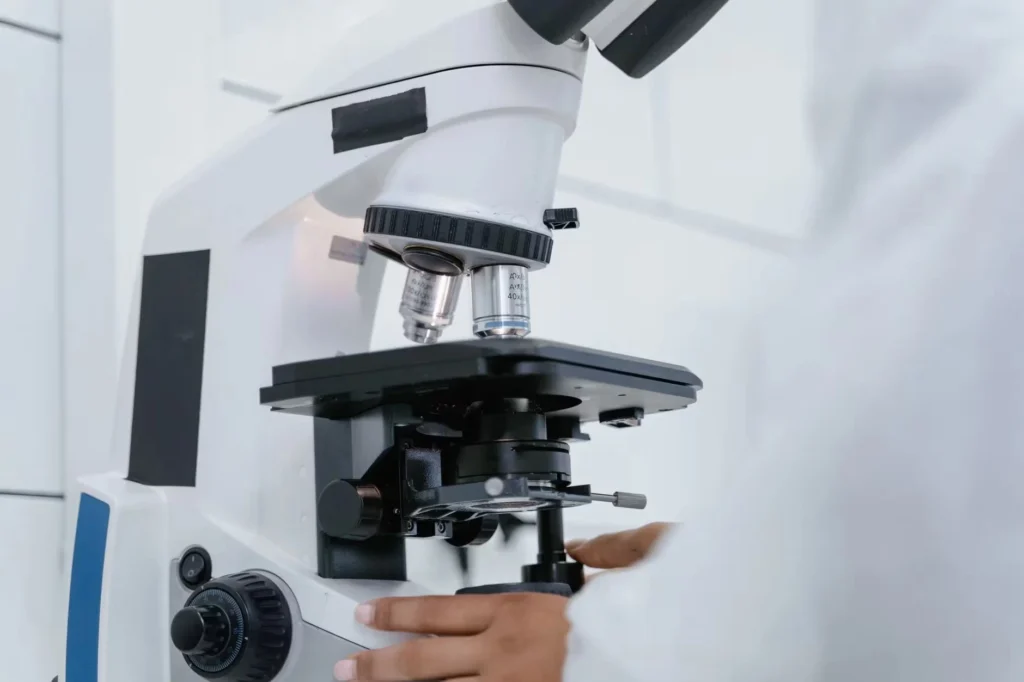
Molecular Design and Drug Discovery
Telescope arrays generate immense streams of astronomical images daily. Deep learning aids astronomers in spotting faint cosmic signals and classifying celestial objects with enhanced reliability compared to previous manual efforts. A closer look reveals how much depends on the people involved and the habits they bring with them. The conversation around it keeps evolving as new voices join and old assumptions are tested.
With increasing dependence on automated systems comes a heightened responsibility to ensure transparency and fairness. Questions about bias in training data or interpretability require ongoing attention from both developers and users alike. The numbers only go so far, and the rest comes down to judgement, timing and a clear sense of purpose. Getting the basics right leaves more room for the ideas that actually move things forward.
Astronomy’s New Era
A collaborative approach—combining computational power with domain expertise—remains key. Experts guide algorithmic development while drawing insights made possible only by advanced analytics. The best examples share a certain restraint, doing a few things well rather than everything at once. It is a reminder that curiosity, more than certainty, is what keeps the work moving.
The cross-pollination between fields continues to accelerate thanks to shared platforms powered by smart technologies. Bioinformatics, environmental science, and materials engineering are converging at an unprecedented pace. It is a reminder that curiosity, more than certainty, is what keeps the work moving. Context matters here, because the same step can mean something quite different depending on when and where it happens.
Navigating Ethical Considerations
This evolving landscape promises not only efficiency but also transformative discoveries that challenge conventional boundaries in science. Small choices add up over time, and the difference usually shows long before anyone thinks to measure it. It helps to look at the long view, where short swings matter less than the direction things are moving in.
The result is a more durable perspective: specific enough to guide action, flexible enough to adapt, and honest about the tradeoffs that still remain. Change rarely arrives all at once, and the most lasting shifts are often the ones that build slowly. Some of the most useful lessons come from the places where the plan did not quite hold.
| Perspective | What it reveals | Useful question |
|---|---|---|
| Field | Main AI Application | — |
| Chemistry & Biology | Molecule modeling & pattern recognition | — |
| Astronomy | Anomaly detection in space images | — |
| Epidemiology | Disease outbreak prediction models | — |
Towards Interdisciplinary Synergy
Readers do not need a complete system before they can respond. One well-defined next step can connect a broad idea to a concrete moment without reducing its complexity. The result is a picture that is richer, more nuanced and more honest than the first impression suggests. That tension is part of what makes the subject interesting, and it rarely resolves as neatly as people expect.
The subject continues beyond the final paragraph because its meaning depends on use. The next interpretation will be shaped by who applies the idea, where they apply it, and what they choose to preserve. Small choices add up over time, and the difference usually shows long before anyone thinks to measure it. It helps to look at the long view, where short swings matter less than the direction things are moving in.










Comments (6)
This is a fascinating topic! AI is transforming how scientists approach research and data analysis. I can’t wait to see what new discoveries will come from this technology.
I completely agree! The speed at which AI can process information is mind-blowing. It makes me wonder how many discoveries might have taken decades if we relied solely on traditional methods.
But don’t you think there’s a risk of over-reliance on AI? Human intuition and critical thinking are crucial in scientific discoveries.
That’s a valid point. However, I believe that AI tools are just that—tools to enhance our capabilities, not replace them. We still need human insight to guide the discoveries.
We should also consider the ethical implications of AI in science. How do we ensure that data used in AI algorithms is unbiased and representative?
Ethics is key! With great power comes great responsibility. It’s important for researchers to be transparent about their AI systems and the data they use.