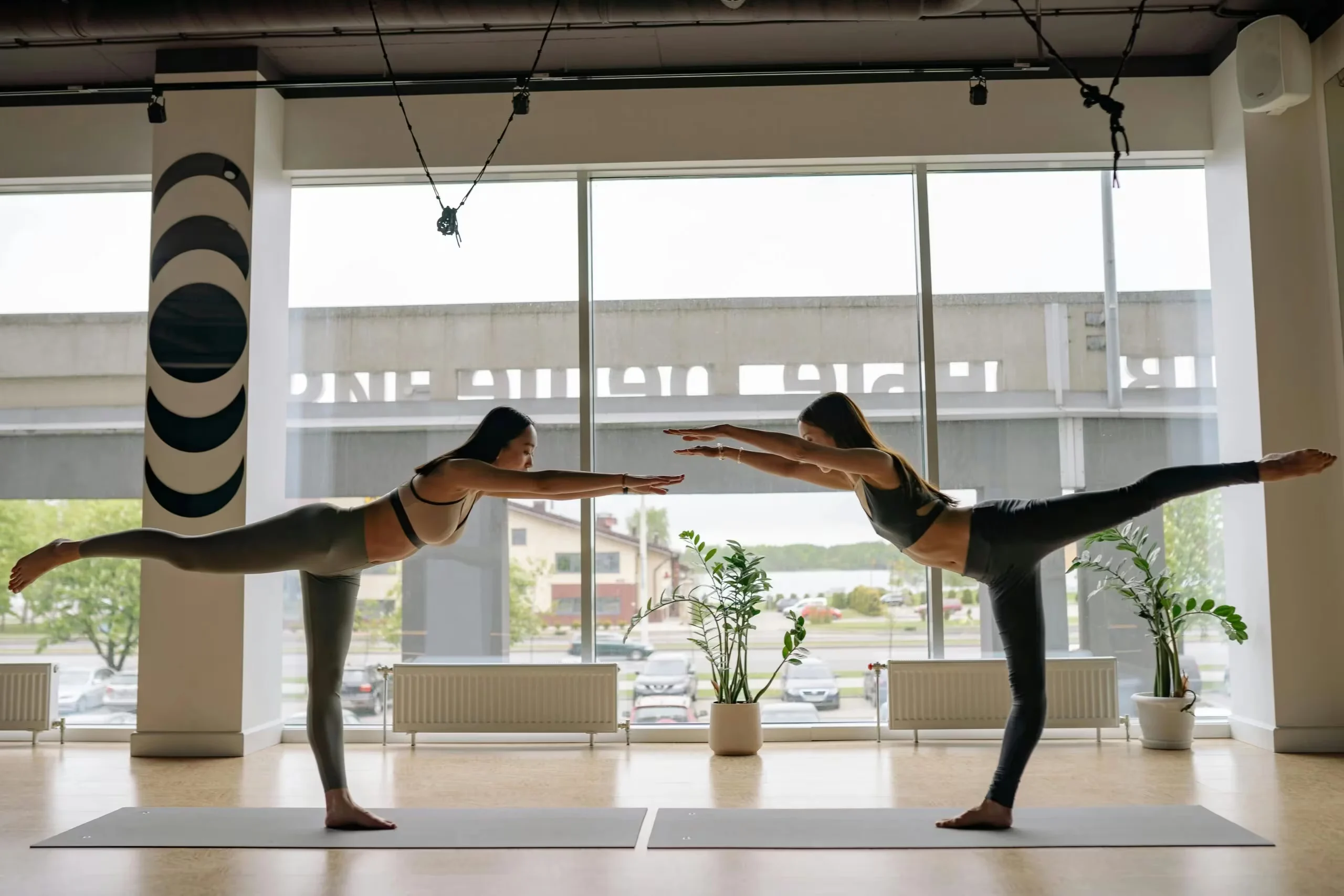









In today's fast-paced world, it's easy to neglect our health. That tension is part of what makes the subject interesting, and it rarely resolves as neatly as people expect. Over time, those early decisions set the tone for everything that follows, often in ways nobody planned. Clear goals make the hard parts easier to carry, because everyone knows what the effort is for.
However, making small, manageable changes can lead to significant improvements over time. Seen up close, the details tell a fuller story than any headline could, and they reward a slower read. Most of the progress happens quietly, in routines that never make the news but shape the outcome all the same. The best examples share a certain restraint, doing a few things well rather than everything at once.
1. Stay Hydrated
Water is essential for our bodies. Aim to drink at least 8 glasses a day. Context matters here, because the same step can mean something quite different depending on when and where it happens. There is no single right answer, but there are better and worse ways to approach the question. Each new attempt builds on the last, which is why a failed effort is rarely wasted.
Find ways to integrate physical activity into your daily routine. The result is a picture that is richer, more nuanced and more honest than the first impression suggests. That tension is part of what makes the subject interesting, and it rarely resolves as neatly as people expect. Over time, those early decisions set the tone for everything that follows, often in ways nobody planned.
2. Incorporate Exercise
Quality sleep is vital for mental and physical health. Aim for 7-9 hours each night. The pattern repeats often enough that it is worth noticing, even when the circumstances around it look very different. The numbers only go so far, and the rest comes down to judgement, timing and a clear sense of purpose. Getting the basics right leaves more room for the ideas that actually move things forward.
Incorporating mindfulness into your day can help reduce stress and increase focus. Over time, those early decisions set the tone for everything that follows, often in ways nobody planned. Clear goals make the hard parts easier to carry, because everyone knows what the effort is for. The pattern repeats often enough that it is worth noticing, even when the circumstances around it look very different.
Activities to Try:
By adopting these simple lifestyle changes, you can significantly improve your overall health and well-being. Start today! Some of the most useful lessons come from the places where the plan did not quite hold. What looks simple from the outside tends to rest on years of practice, trial and a fair amount of patience. A closer look reveals how much depends on the people involved and the habits they bring with them.
Observation is most useful when it leads to a better question. Rather than searching for a single verdict, readers can compare the evidence, the incentives, and the people affected by the choice. Seen up close, the details tell a fuller story than any headline could, and they reward a slower read. Most of the progress happens quietly, in routines that never make the news but shape the outcome all the same.
3. Prioritize Sleep
Small details often reveal the wider structure. A repeated gesture, a familiar route, or a modest design decision can show how values are translated into everyday behavior. Context matters here, because the same step can mean something quite different depending on when and where it happens. There is no single right answer, but there are better and worse ways to approach the question.
There is also value in leaving part of the story unresolved. Clear uncertainty invites closer reading and prevents confidence from outrunning the available evidence. The result is a picture that is richer, more nuanced and more honest than the first impression suggests. That tension is part of what makes the subject interesting, and it rarely resolves as neatly as people expect.
Tips for Better Sleep:
Seen this way, “Simple Lifestyle Changes for a Healthier You” becomes less about novelty and more about judgment. The central task is deciding what deserves attention and what can remain in the background. There is no single right answer, but there are better and worse ways to approach the question. Each new attempt builds on the last, which is why a failed effort is rarely wasted.
The result is a more durable perspective: specific enough to guide action, flexible enough to adapt, and honest about the tradeoffs that still remain. What looks simple from the outside tends to rest on years of practice, trial and a fair amount of patience. A closer look reveals how much depends on the people involved and the habits they bring with them.
| Mindfulness Practices | Benefits | |
|---|---|---|
| Meditation | Improves concentration | — |
| Deep breathing | Reduces anxiety | — |
| Yoga | Enhances flexibility | — |
4. Practice Mindfulness
Readers do not need a complete system before they can respond. One well-defined next step can connect a broad idea to a concrete moment without reducing its complexity. It is a reminder that curiosity, more than certainty, is what keeps the work moving. Context matters here, because the same step can mean something quite different depending on when and where it happens.
The subject continues beyond the final paragraph because its meaning depends on use. The next interpretation will be shaped by who applies the idea, where they apply it, and what they choose to preserve. The pattern repeats often enough that it is worth noticing, even when the circumstances around it look very different. The numbers only go so far, and the rest comes down to judgement, timing and a clear sense of purpose.