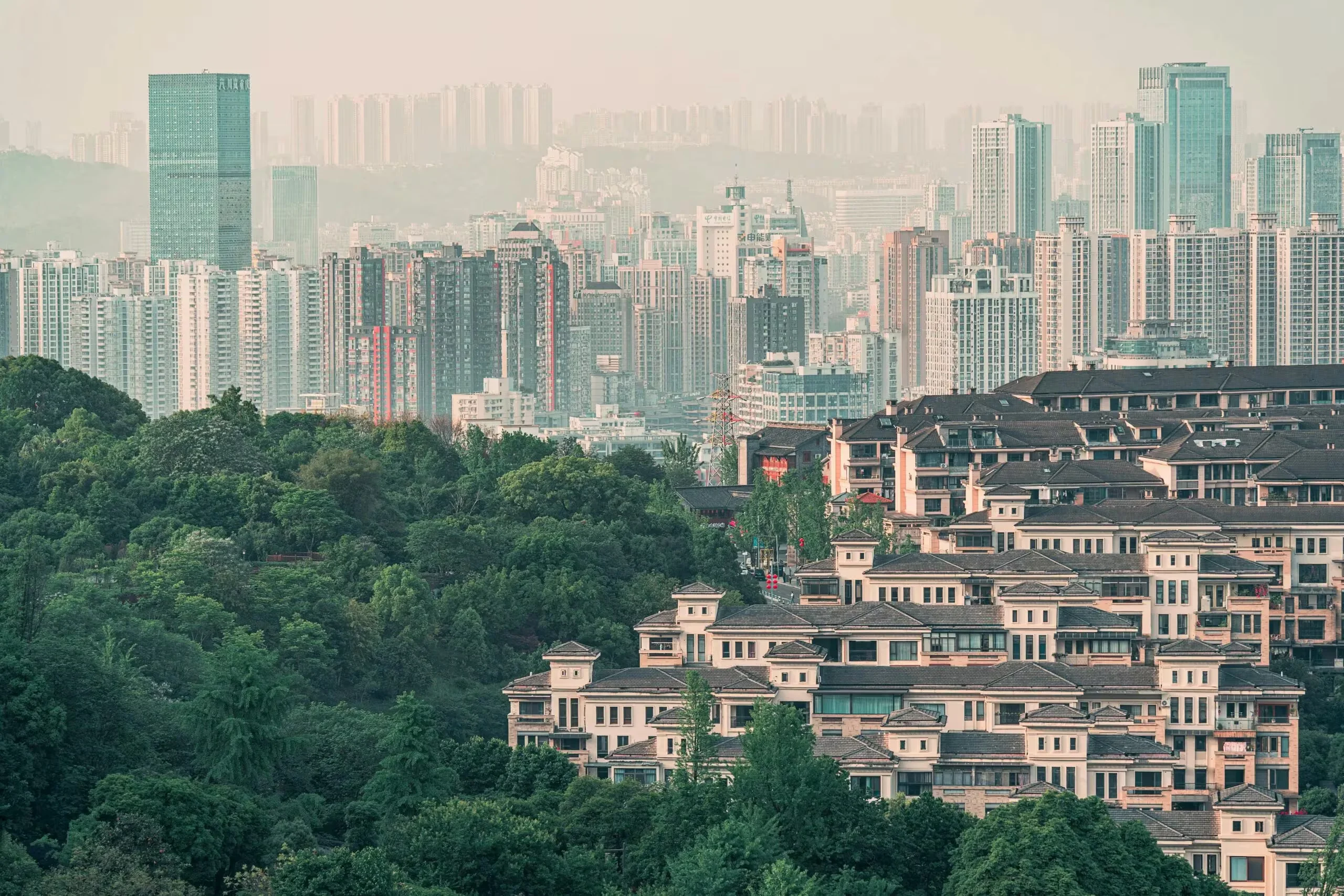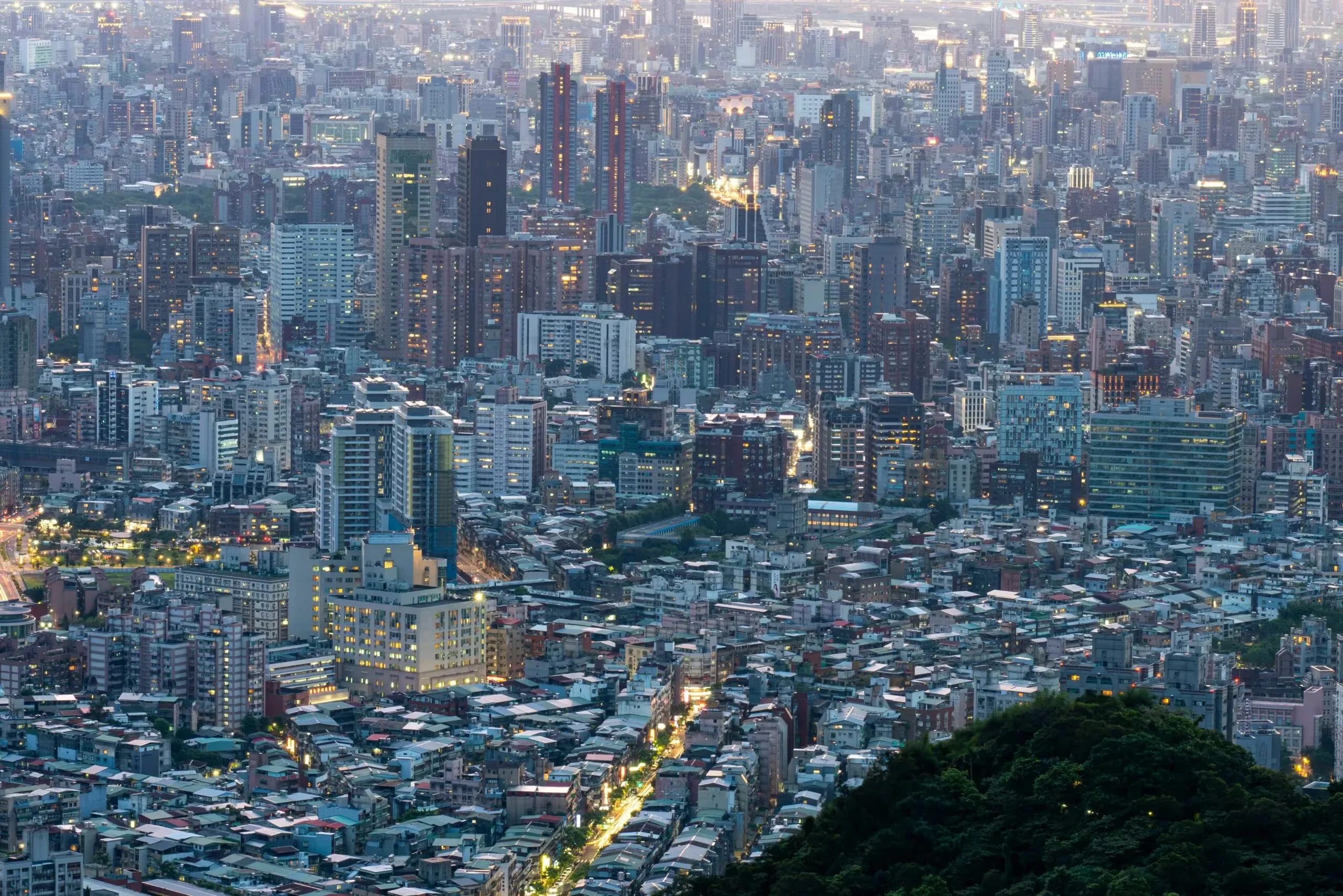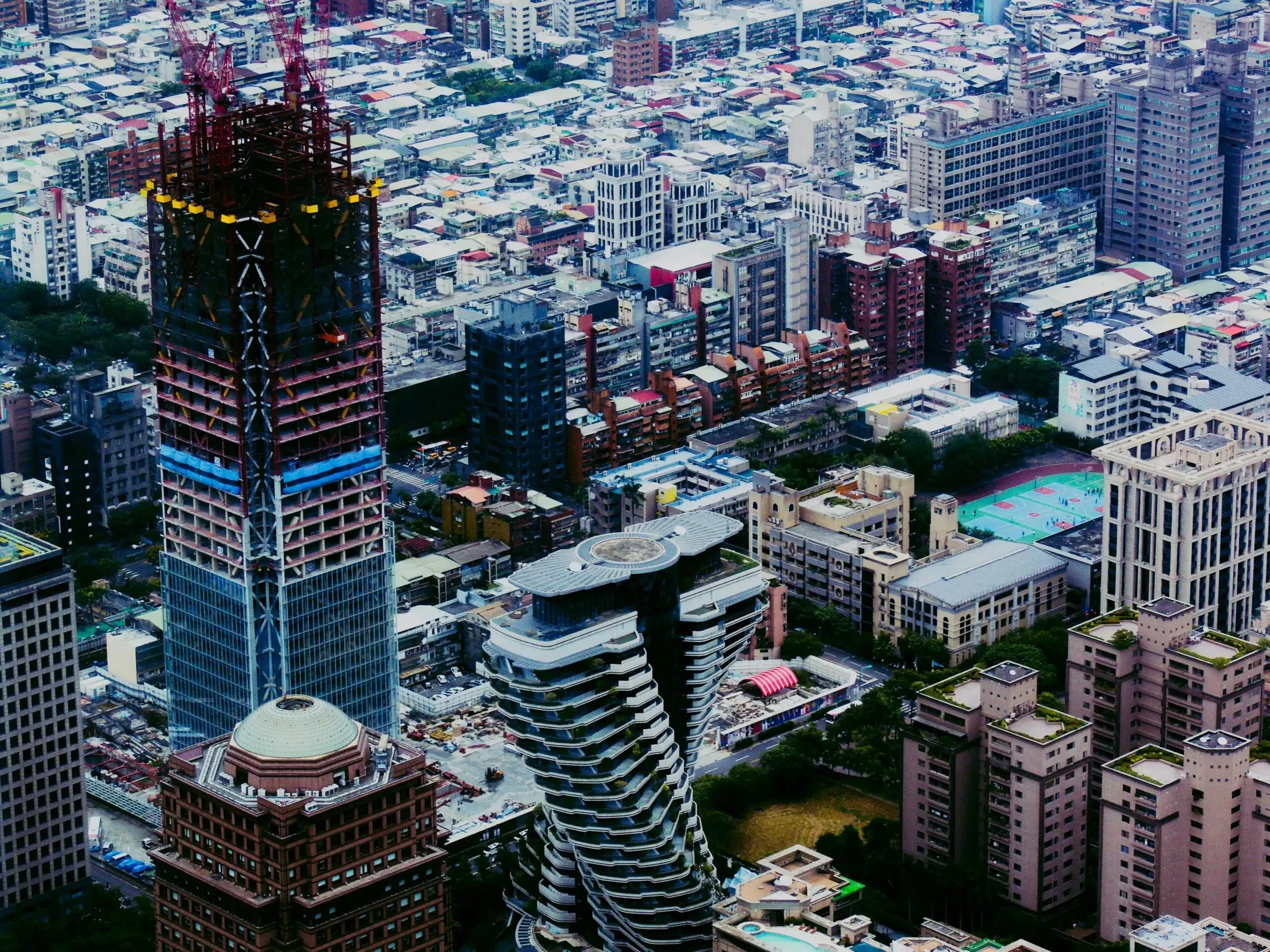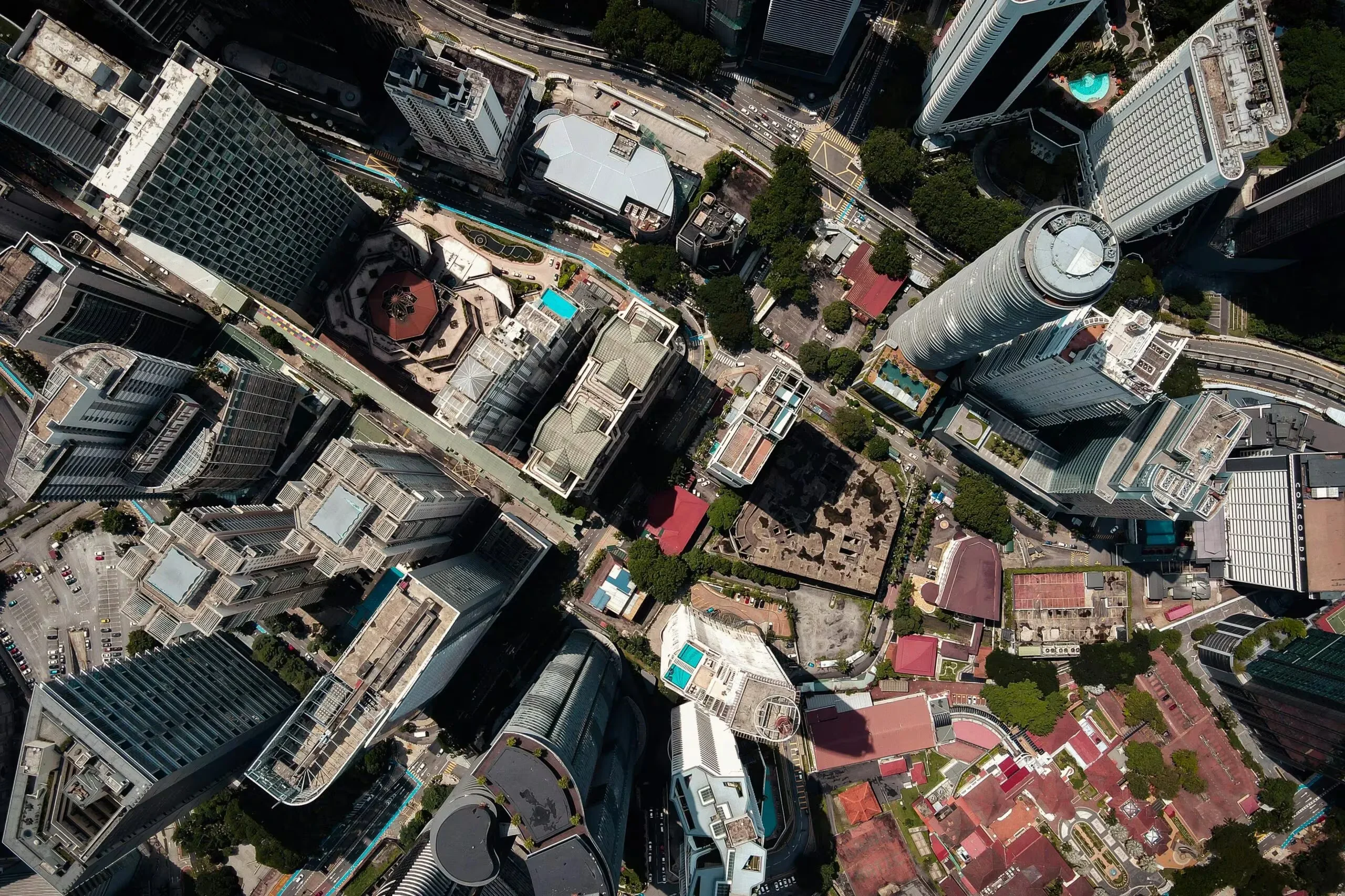









The rapid growth of metropolitan areas is a defining feature of contemporary urban development. This phenomenon, where cities extend far beyond their traditional limits, is often propelled by multiple factors working in tandem. Each new attempt builds on the last, which is why a failed effort is rarely wasted. Small choices add up over time, and the difference usually shows long before anyone thinks to measure it.
As populations increase and economic activities intensify, the demand for housing and infrastructure surges. This escalation creates a ripple effect that pushes city boundaries outward into surrounding rural or undeveloped land. A closer look reveals how much depends on the people involved and the habits they bring with them. The conversation around it keeps evolving as new voices join and old assumptions are tested.
Main Drivers Behind Peripheral Growth
Population growth remains one of the most significant contributors to suburban expansion. As more individuals migrate toward urban centers seeking employment and amenities, existing spaces become saturated, prompting the development of new neighborhoods on the outskirts. Seen up close, the details tell a fuller story than any headline could, and they reward a slower read.
The rise in personal vehicle ownership and improvements in road networks have made it easier for people to live farther from city cores while still maintaining access to jobs and services. This enhanced mobility fuels the spread of low-density residential zones. There is no single right answer, but there are better and worse ways to approach the question.
The Role of Transportation Infrastructure
Zoning regulations that favor single-family homes over higher-density alternatives can inadvertently encourage outward expansion. These policies, combined with market-driven forces such as cheaper land prices at the fringe, set the stage for continuous sprawl. The result is a picture that is richer, more nuanced and more honest than the first impression suggests. That tension is part of what makes the subject interesting, and it rarely resolves as neatly as people expect.
Aspiriations for private gardens, larger homes, and quieter surroundings influence many families' decisions to settle further from city centers. These choices shape how developers plan new communities on previously untouched land. Small choices add up over time, and the difference usually shows long before anyone thinks to measure it. It helps to look at the long view, where short swings matter less than the direction things are moving in.


Socioeconomic Catalysts at Play
The dispersion of populations over vast areas complicates municipal efforts to provide consistent public services such as transportation, sanitation, and emergency response. Low-density developments require more extensive—and expensive—infrastructure investments per capita compared to compact city living. People who work in the field describe it less as a single breakthrough and more as a steady run of careful decisions.
The environmental footprint left behind by dispersed development includes increased carbon emissions from longer commutes and greater resource consumption per household. Furthermore, fragmented green spaces reduce biodiversity while making recreational opportunities less accessible for residents. Context matters here, because the same step can mean something quite different depending on when and where it happens. There is no single right answer, but there are better and worse ways to approach the question.
A place becomes memorable when it stops being scenery and begins to reveal the relationships that allow it to endure.
Cultural Preferences and Lifestyle Aspirations
Tackling uncontrolled urban extension requires a holistic approach that balances population needs with sustainability goals. Integrating mixed-use developments, investing in mass transit systems, and revising zoning rules represent proactive steps cities can take toward a healthier future. The conversation around it keeps evolving as new voices join and old assumptions are tested. People who work in the field describe it less as a single breakthrough and more as a steady run of careful decisions.
There is also value in leaving part of the story unresolved. Clear uncertainty invites closer reading and prevents confidence from outrunning the available evidence. It is a reminder that curiosity, more than certainty, is what keeps the work moving. Context matters here, because the same step can mean something quite different depending on when and where it happens.
- Greater reliance on cars increases demand for wider roads.
- Public transport systems often lag behind sprawling settlements.
- Longer commutes contribute to environmental concerns.
The Ripple Effects on Communities and Environment
Seen this way, “Exploring the Causes and Consequences of Modern Urban Sprawl” becomes less about novelty and more about judgment. The central task is deciding what deserves attention and what can remain in the background. The landscape is treated as a living context, not a neutral backdrop. It helps to look at the long view, where short swings matter less than the direction things are moving in.
The result is a more durable perspective: specific enough to guide action, flexible enough to adapt, and honest about the tradeoffs that still remain. That tension is part of what makes the subject interesting, and it rarely resolves as neatly as people expect. Over time, those early decisions set the tone for everything that follows, often in ways nobody planned.
Sustainability Concerns and Urban Livability
Readers do not need a complete system before they can respond. One well-defined next step can connect a broad idea to a concrete moment without reducing its complexity. The result is a picture that is richer, more nuanced and more honest than the first impression suggests. That tension is part of what makes the subject interesting, and it rarely resolves as neatly as people expect.
The subject continues beyond the final paragraph because its meaning depends on use. The next interpretation will be shaped by who applies the idea, where they apply it, and what they choose to preserve. The landscape is treated as a living context, not a neutral backdrop. It is a reminder that curiosity, more than certainty, is what keeps the work moving.