








Far from the bustling crowds and popular tourist hotspots, there exists a collection of picturesque villages scattered across Europe. These serene settlements offer travelers a step back in time, where cobbled streets, charming cottages, and breathtaking scenery combine to create a truly magical atmosphere. Over time, those early decisions set the tone for everything that follows, often in ways nobody planned.
Each village has its own unique story and cultural heritage, inviting you to wander and discover its hidden secrets at your own pace. The pattern repeats often enough that it is worth noticing, even when the circumstances around it look very different. The numbers only go so far, and the rest comes down to judgement, timing and a clear sense of purpose.
Hallstatt: Austria’s Lakeside Jewel
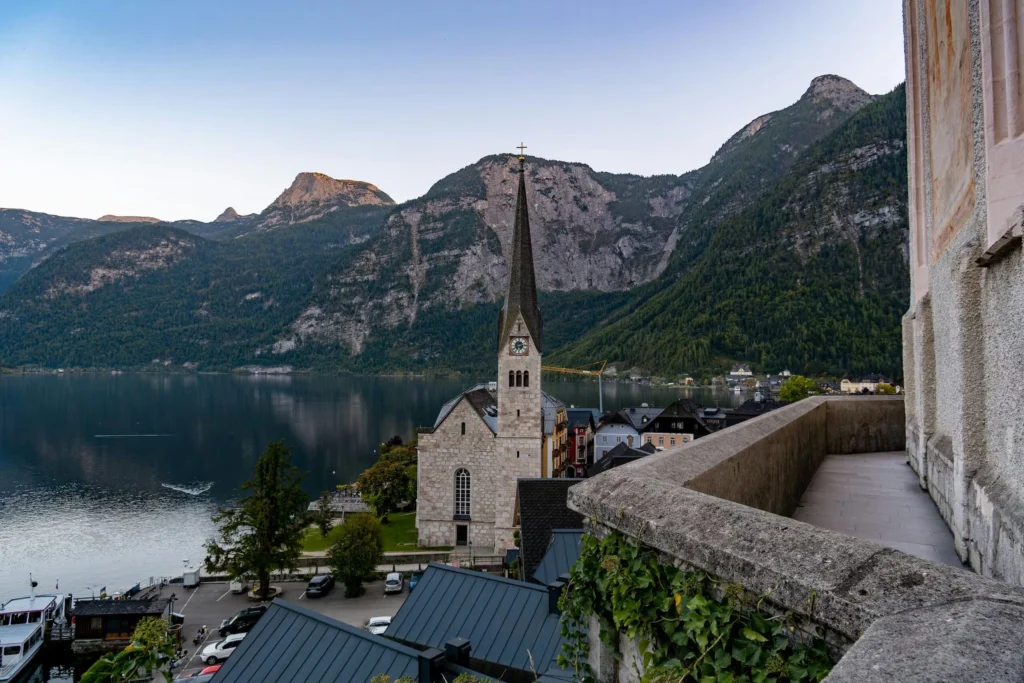
Nestled between sparkling Lake Hallstatt and towering Dachstein Alps, Hallstatt is famed for its pastel-hued houses perched along the water's edge. Walking through its winding lanes feels like entering a living postcard, especially during early morning mists or gentle winter snowfalls. The result is a picture that is richer, more nuanced and more honest than the first impression suggests.
Accessible only by cable car or cogwheel train, Mürren offers panoramic vistas over dramatic peaks and lush alpine meadows. Wooden chalets adorned with flower boxes line tranquil paths. The slow pace invites visitors to savor every moment of this storybook setting. Context matters here, because the same step can mean something quite different depending on when and where it happens.
Mürren: Switzerland’s Cliffside Wonder
This tiny Catalonian village perches precariously atop a sheer basalt cliff formed by ancient lava flows. Its stone houses cluster together on the narrow strip of land above the valley below. The view at sunset is nothing short of breathtaking. Seen up close, the details tell a fuller story than any headline could, and they reward a slower read.
Pitigliano rises organically from tufa cliffs in southern Tuscany. Nicknamed “Little Jerusalem” for its historic Jewish quarter, this enchanting town features medieval arches, hidden tunnels, and warm ochre facades that glow under golden sunlight. That tension is part of what makes the subject interesting, and it rarely resolves as neatly as people expect. Over time, those early decisions set the tone for everything that follows, often in ways nobody planned.

Castellfollit de la Roca: Spain’s Basalt Marvel
Dinan transports visitors with its half-timbered houses, ramparts overlooking the River Rance, and lively weekly markets brimming with artisan wares. Stroll along Rue du Jerzual to spot artists at work in open studios nestled among centuries-old doorways. Most of the progress happens quietly, in routines that never make the news but shape the outcome all the same.
Tucked amid forested hillsides, Koprivshtitsa is renowned for vibrant homes decorated with murals and folk motifs. History enthusiasts will find dozens of house-museums narrating tales from Bulgaria’s National Revival period—a living testament to resilience and culture. Getting the basics right leaves more room for the ideas that actually move things forward. Seen up close, the details tell a fuller story than any headline could, and they reward a slower read.
Pitigliano: Tuscany’s Timeless Fortress Town
Small details often reveal the wider structure. A repeated gesture, a familiar route, or a modest design decision can show how values are translated into everyday behavior. Over time, those early decisions set the tone for everything that follows, often in ways nobody planned. Clear goals make the hard parts easier to carry, because everyone knows what the effort is for.
There is also value in leaving part of the story unresolved. Clear uncertainty invites closer reading and prevents confidence from outrunning the available evidence. That tension is part of what makes the subject interesting, and it rarely resolves as neatly as people expect. Over time, those early decisions set the tone for everything that follows, often in ways nobody planned.
Dinan: Medieval Charm in Brittany, France
Seen this way, “Hidden European Villages That Look Straight Out of a Fairytale” becomes less about novelty and more about judgment. The central task is deciding what deserves attention and what can remain in the background. The landscape is treated as a living context, not a neutral backdrop. The numbers only go so far, and the rest comes down to judgement, timing and a clear sense of purpose.
The result is a more durable perspective: specific enough to guide action, flexible enough to adapt, and honest about the tradeoffs that still remain. Context matters here, because the same step can mean something quite different depending on when and where it happens. There is no single right answer, but there are better and worse ways to approach the question.
| Perspective | What it reveals | Useful question |
|---|---|---|
| Village Name | Country | Main Attraction |
| Dinan | France | Medieval ramparts & art scene |
| Mürren | Switzerland | Alpine views & hiking trails |
| Pitigliano | Italy | Tufa architecture & old town charm |
Koprivshtitsa: Bulgaria’s Pastel-Colored Legacy
Readers do not need a complete system before they can respond. One well-defined next step can connect a broad idea to a concrete moment without reducing its complexity. Context matters here, because the same step can mean something quite different depending on when and where it happens. There is no single right answer, but there are better and worse ways to approach the question.
The subject continues beyond the final paragraph because its meaning depends on use. The next interpretation will be shaped by who applies the idea, where they apply it, and what they choose to preserve. The landscape is treated as a living context, not a neutral backdrop. Each new attempt builds on the last, which is why a failed effort is rarely wasted.





Comments (6)
These villages look absolutely magical! I can’t believe I’ve never heard of them before. Definitely adding them to my bucket list!
Right? I was totally amazed when I saw the pictures! It’s like stepping into a storybook.
Some of these places seem really hard to get to. Are they suitable for someone who isn’t into hiking?
Most of them are quite accessible by car, so you don’t have to worry about hiking too much. Just a bit of walking around to explore, but it’s worth it!
I visited one of these villages last summer and it was such a serene experience. Just you and the beauty of nature, away from the crowded tourist spots. Highly recommend!
I love the idea of finding off-the-beaten-path destinations! It makes travel feel so much more authentic and special.