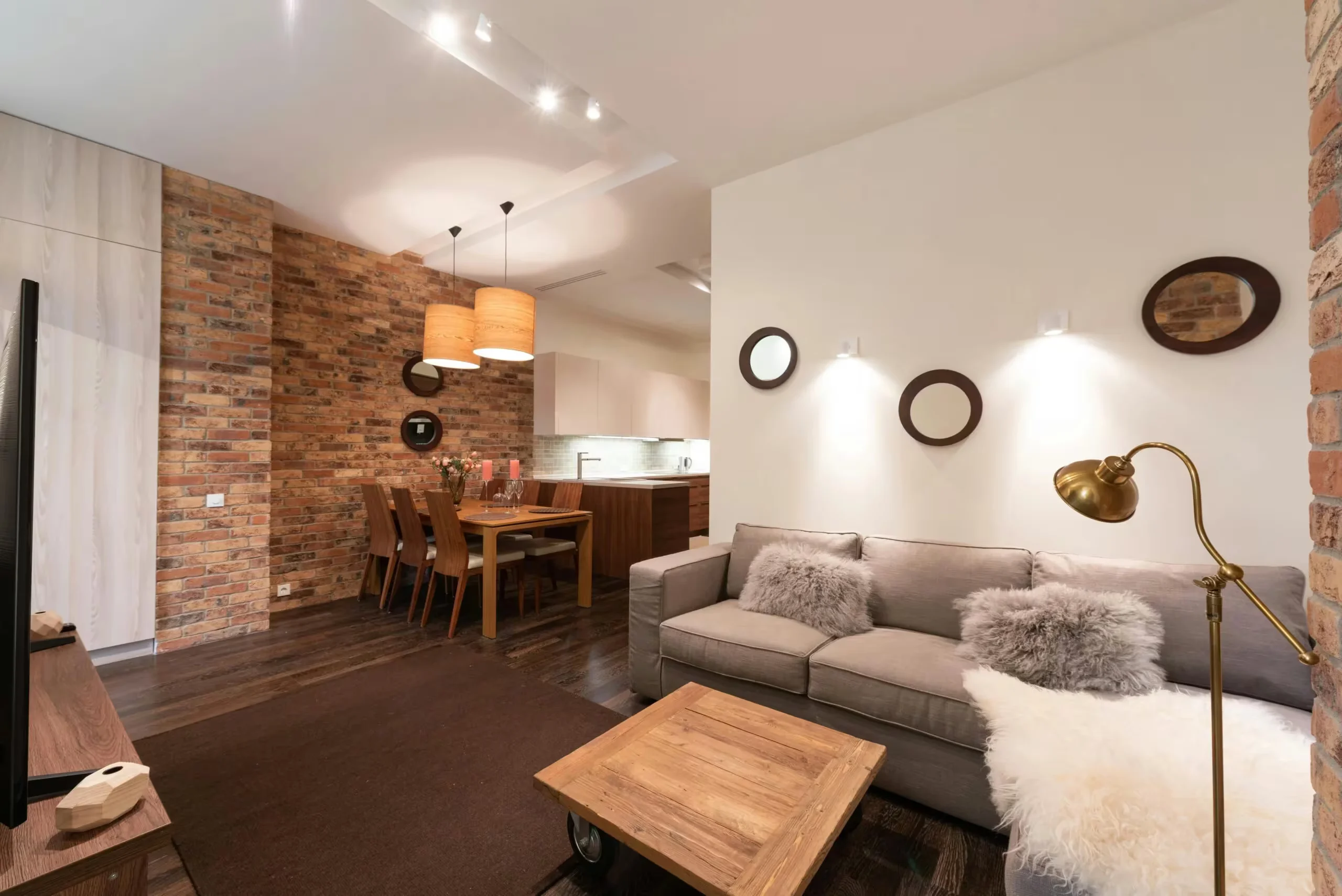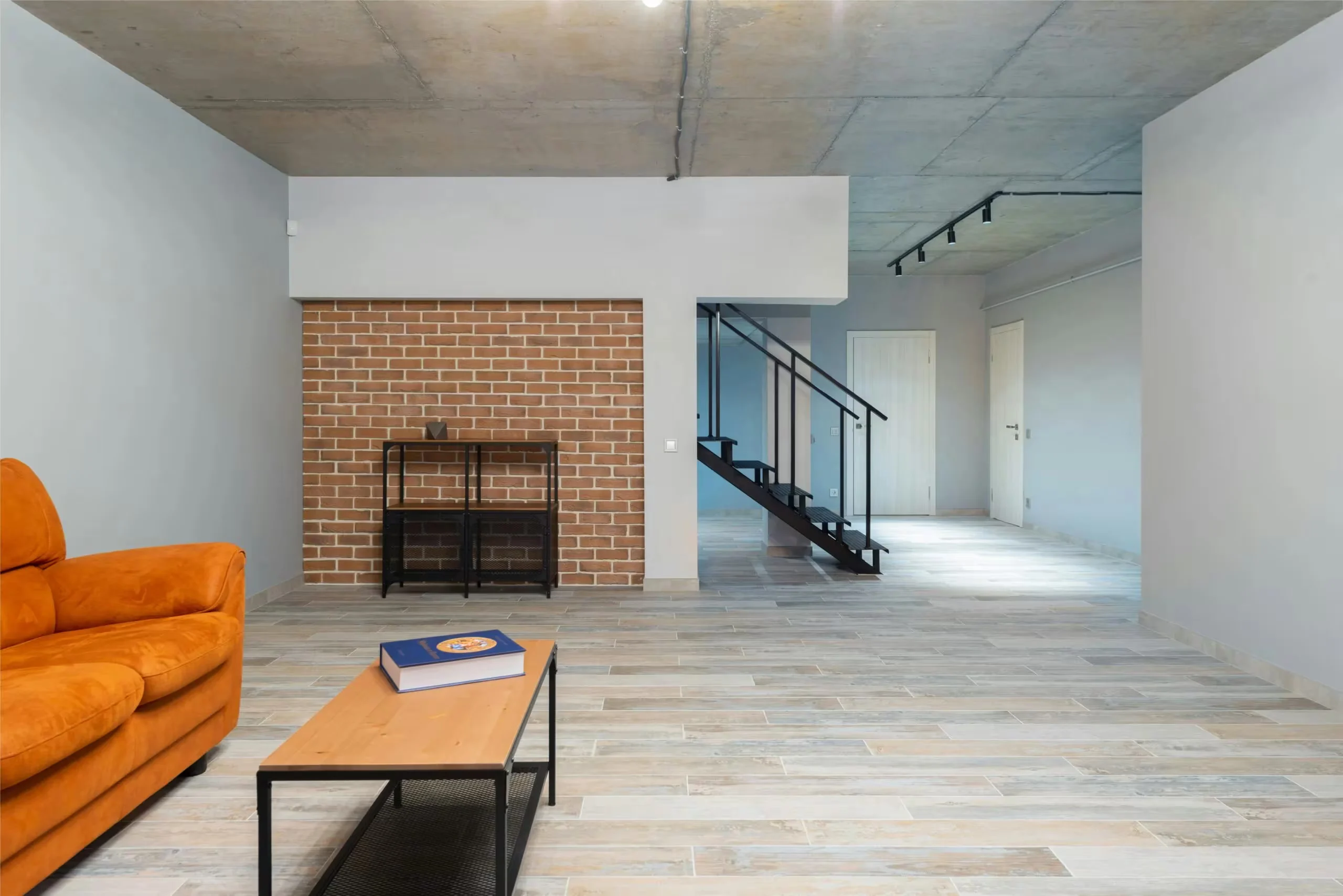









A few simple DIY touches can quietly refresh your home and make it feel more intentional. A small wall piece, a framed print, or an old chair given new life with a bit of sanding and oil can subtly change how a space feels without major effort or cost. These kinds of updates do not demand perfection – their charm often comes from small imperfections and personal choices.
DIY projects also encourage a slower, more mindful approach to shaping your environment. Taking time to work with your hands, choose materials, and experiment with ideas can turn everyday objects into something unique. Even modest projects can create a sense of connection to your space, making it feel less like a showroom and more like a home.
Read the material before the method
Even the smallest details tend to have a bigger impact than expected. A couple of herb jars on the windowsill can introduce color and life, while tiny shelves or handmade storage solutions add both practicality and character. Natural balms, wood textures, and simple materials help create a calm, lived-in atmosphere that feels warm and welcoming.
Texture and layering play an important role in these subtle transformations. Mixing natural elements with existing furniture adds depth without overwhelming the room. Soft finishes, visible grain, and handcrafted surfaces bring a sense of balance that is difficult to achieve with mass-produced items alone. People who work in the field describe it less as a single breakthrough and more as a steady run of careful decisions.
Notice what the process reveals
Rather than aiming for a full makeover, it is often more rewarding to focus on one small idea at a time. This approach keeps the process enjoyable and prevents unnecessary pressure. Each small improvement builds confidence and invites creativity to grow naturally. That tension is part of what makes the subject interesting, and it rarely resolves as neatly as people expect.
In the end, thoughtful DIY changes are less about achieving a perfect result and more about shaping a space that feels authentic to you. When done with care and intention, small adjustments can have a lasting effect and make your home feel truly your own. Seen up close, the details tell a fuller story than any headline could, and they reward a slower read.
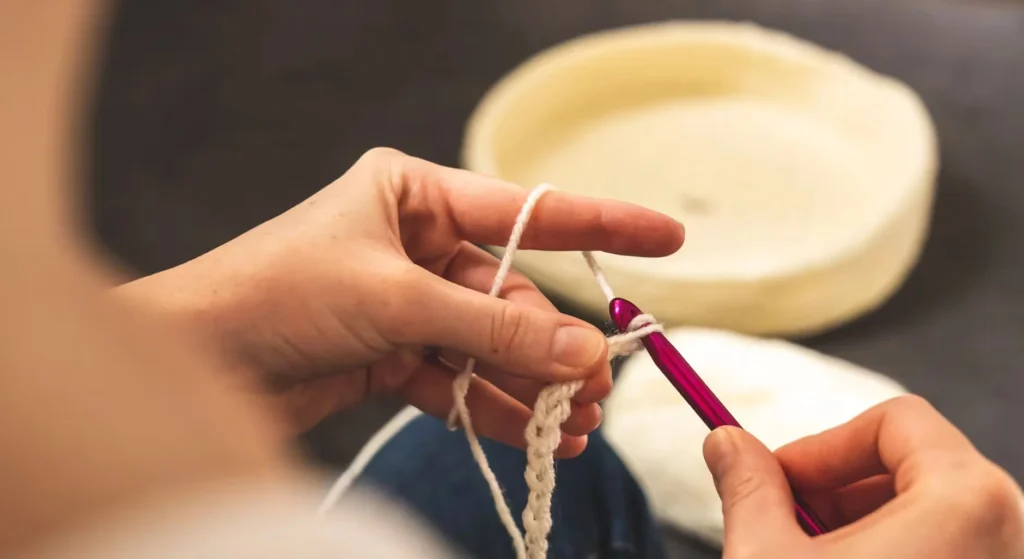
Build a repeatable creative rhythm
The practical test is not whether an approach sounds persuasive in isolation. It is whether it remains understandable when time, resources, and attention are limited. Material, rhythm, and restraint become part of the argument rather than decoration around it. It is a reminder that curiosity, more than certainty, is what keeps the work moving. Context matters here, because the same step can mean something quite different depending on when and where it happens.
Observation is most useful when it leads to a better question. Rather than searching for a single verdict, readers can compare the evidence, the incentives, and the people affected by the choice. There is no single right answer, but there are better and worse ways to approach the question. Each new attempt builds on the last, which is why a failed effort is rarely wasted.
Let constraints sharpen the idea
Small details often reveal the wider structure. A repeated gesture, a familiar route, or a modest design decision can show how values are translated into everyday behavior. Most of the progress happens quietly, in routines that never make the news but shape the outcome all the same. The best examples share a certain restraint, doing a few things well rather than everything at once.
There is also value in leaving part of the story unresolved. Clear uncertainty invites closer reading and prevents confidence from outrunning the available evidence. Material, rhythm, and restraint become part of the argument rather than decoration around it. A closer look reveals how much depends on the people involved and the habits they bring with them.
Keep the work connected to its context
Seen this way, “A Tiny Home Project You’ll Finish in a Day” becomes less about novelty and more about judgment. The central task is deciding what deserves attention and what can remain in the background. It helps to look at the long view, where short swings matter less than the direction things are moving in.
The result is a more durable perspective: specific enough to guide action, flexible enough to adapt, and honest about the tradeoffs that still remain. Some of the most useful lessons come from the places where the plan did not quite hold. What looks simple from the outside tends to rest on years of practice, trial and a fair amount of patience.
| Lens | What to notice | Practical use |
|---|---|---|
| Context | The conditions around the visible result | Avoid treating one example as universal |
| People | Who makes, uses, or carries the decision | Keep the human scale visible |
| Evidence | What can be observed or compared | Separate a signal from an assumption |
| Time | What changes immediately and what changes slowly | Review the effect beyond the first impression |
Make room for the next interpretation
Readers do not need a complete system before they can respond. One well-defined next step can connect a broad idea to a concrete moment without reducing its complexity. Material, rhythm, and restraint become part of the argument rather than decoration around it. The best examples share a certain restraint, doing a few things well rather than everything at once.
The subject continues beyond the final paragraph because its meaning depends on use. The next interpretation will be shaped by who applies the idea, where they apply it, and what they choose to preserve. Looking back, the turning points seem obvious, yet at the time they felt like ordinary days. The result is a picture that is richer, more nuanced and more honest than the first impression suggests.