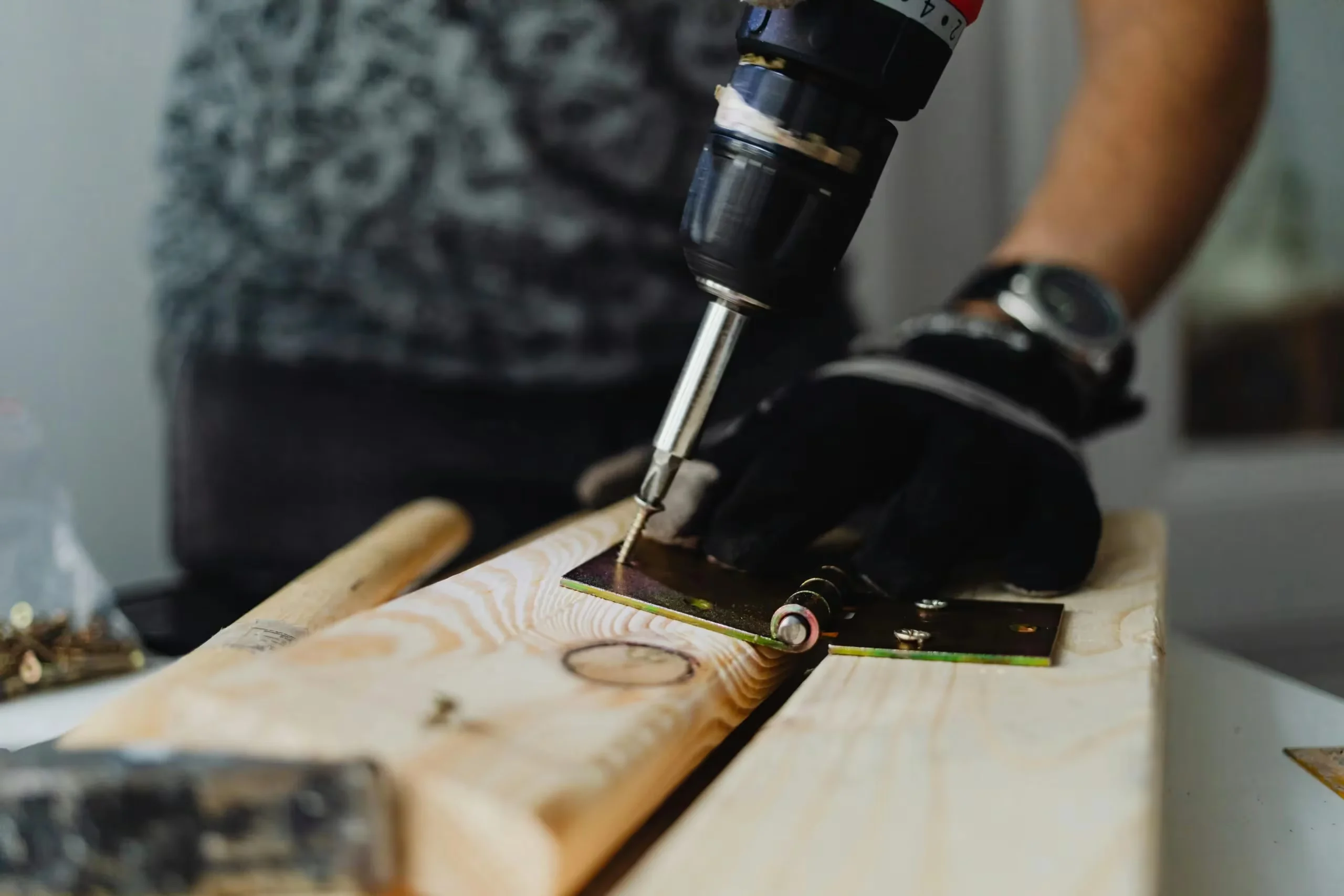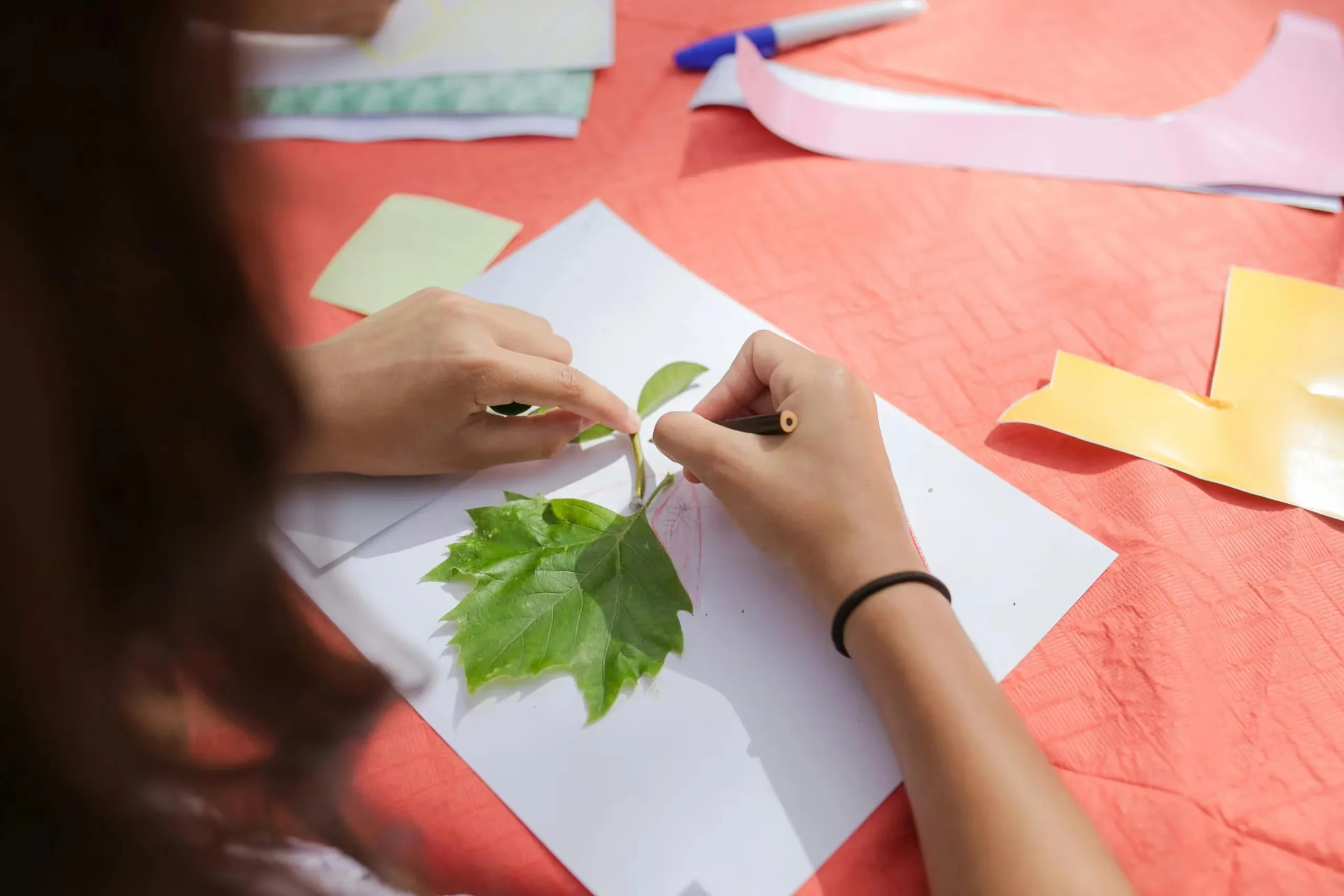








In the world of DIY, there is a rich tapestry of traditions that continues to influence modern crafting practices. This melding of the past and present creates a fascinating landscape where cultural elements are reinterpreted through the lens of creativity. People who work in the field describe it less as a single breakthrough and more as a steady run of careful decisions.
Traditional crafts from various cultures around the world have laid the foundation for many of today's DIY projects. Techniques such as weaving, pottery, and embroidery are just a few examples of how time-honored practices continue to inspire creators. Clear goals make the hard parts easier to carry, because everyone knows what the effort is for.
The Rich Legacy of Traditional Crafts
Understanding the cultural heritage behind certain DIY crafts can enhance the depth and richness of your projects. Cultural motifs and materials add an authentic touch to creations, bridging the past with present-day artistry. It helps to look at the long view, where short swings matter less than the direction things are moving in. Change rarely arrives all at once, and the most lasting shifts are often the ones that build slowly.
With the advent of new materials and technologies, craftspeople have the opportunity to combine age-old techniques with modern innovations, leading to unique and exciting results. This fusion breathes new life into traditional methods. The conversation around it keeps evolving as new voices join and old assumptions are tested. People who work in the field describe it less as a single breakthrough and more as a steady run of careful decisions.
DIY and Cultural Heritage
Online learning platforms provide a vast array of resources for those interested in exploring the intersection of DIY and culture. These platforms offer tutorials and workshops that can introduce enthusiasts to a range of new techniques. Most of the progress happens quietly, in routines that never make the news but shape the outcome all the same.
There is a growing trend of integrating agricultural concepts into DIY projects. This not only celebrates a sustainable lifestyle but also revives historical practices of self-sufficiency and craft. Many readers will recognise the feeling, even if they have never put a name to it before. Looking back, the turning points seem obvious, yet at the time they felt like ordinary days.


Melding Ancient Techniques with Modern Materials
Home gardening, for example, can be seen as both a DIY project and a nod to our agricultural past. Creating homemade preserves or crafting plant-based dyes reinforces the connection between cultural history and contemporary living. What looks simple from the outside tends to rest on years of practice, trial and a fair amount of patience.
The future of DIY looks promising as it continues to embrace cultural diversity and historical appreciation. By blending traditional methods with future-thinking innovations, crafters can create a more connected and enriched creative community. The pattern repeats often enough that it is worth noticing, even when the circumstances around it look very different. The numbers only go so far, and the rest comes down to judgement, timing and a clear sense of purpose.
Strong creative work rarely begins with certainty. It begins with enough attention to notice what the material is already asking for.
Learning Through Online Platforms
Ultimately, engaging with DIY in this way not only fosters personal enjoyment and satisfaction but also ensures that our cultural legacies continue to thrive through artistic expression and shared knowledge. Clear goals make the hard parts easier to carry, because everyone knows what the effort is for. The pattern repeats often enough that it is worth noticing, even when the circumstances around it look very different.
There is also value in leaving part of the story unresolved. Clear uncertainty invites closer reading and prevents confidence from outrunning the available evidence. Material, rhythm, and restraint become part of the argument rather than decoration around it. The numbers only go so far, and the rest comes down to judgement, timing and a clear sense of purpose.
- Explore traditional weaving methods through online courses.
- Watch tutorials on combining modern tech with ancient pottery.
- Join virtual workshops on cultural crafts from around the globe.
DIY Crafts and Agriculture
Seen this way, “Creative Traditions in Modern DIY Practices” becomes less about novelty and more about judgment. The central task is deciding what deserves attention and what can remain in the background. Change rarely arrives all at once, and the most lasting shifts are often the ones that build slowly. Some of the most useful lessons come from the places where the plan did not quite hold.
The result is a more durable perspective: specific enough to guide action, flexible enough to adapt, and honest about the tradeoffs that still remain. Many readers will recognise the feeling, even if they have never put a name to it before. Looking back, the turning points seem obvious, yet at the time they felt like ordinary days.
Embracing the Future of DIY
Readers do not need a complete system before they can respond. One well-defined next step can connect a broad idea to a concrete moment without reducing its complexity. Material, rhythm, and restraint become part of the argument rather than decoration around it. It helps to look at the long view, where short swings matter less than the direction things are moving in.
The subject continues beyond the final paragraph because its meaning depends on use. The next interpretation will be shaped by who applies the idea, where they apply it, and what they choose to preserve. People who work in the field describe it less as a single breakthrough and more as a steady run of careful decisions.