








Environmental education plays a vital role in shaping the future of our planet. By integrating innovative methods, we are equipping future generations with the knowledge and skills necessary to tackle global environmental issues. Some of the most useful lessons come from the places where the plan did not quite hold. What looks simple from the outside tends to rest on years of practice, trial and a fair amount of patience.
Technology serves as a powerful tool in environmental education by providing interactive and immersive learning experiences. Virtual reality, for example, allows students to explore ecosystems worldwide without leaving their classrooms. Seen up close, the details tell a fuller story than any headline could, and they reward a slower read. Most of the progress happens quietly, in routines that never make the news but shape the outcome all the same.
The Role of Technology
Moreover, online platforms have increased access to global environmental research, offering resources to students and educators alike. This connectivity encourages cross-border collaboration. Context matters here, because the same step can mean something quite different depending on when and where it happens. There is no single right answer, but there are better and worse ways to approach the question.
Global research initiatives are crucial for addressing environmental challenges. Educational programs that focus on research skills enable students to contribute meaningful insights into climate change, biodiversity, and sustainability. The result is a picture that is richer, more nuanced and more honest than the first impression suggests. That tension is part of what makes the subject interesting, and it rarely resolves as neatly as people expect.
Global Research Initiatives
Encouraging community involvement in environmental projects helps solidify theoretical knowledge through practical application. These projects often inspire local solutions with global implications. The pattern repeats often enough that it is worth noticing, even when the circumstances around it look very different. The numbers only go so far, and the rest comes down to judgement, timing and a clear sense of purpose.
Hands-on experience in community settings fosters empathy toward environmental issues and nurtures a sense of responsibility. It is a reminder that curiosity, more than certainty, is what keeps the work moving. Context matters here, because the same step can mean something quite different depending on when and where it happens. There is no single right answer, but there are better and worse ways to approach the question.
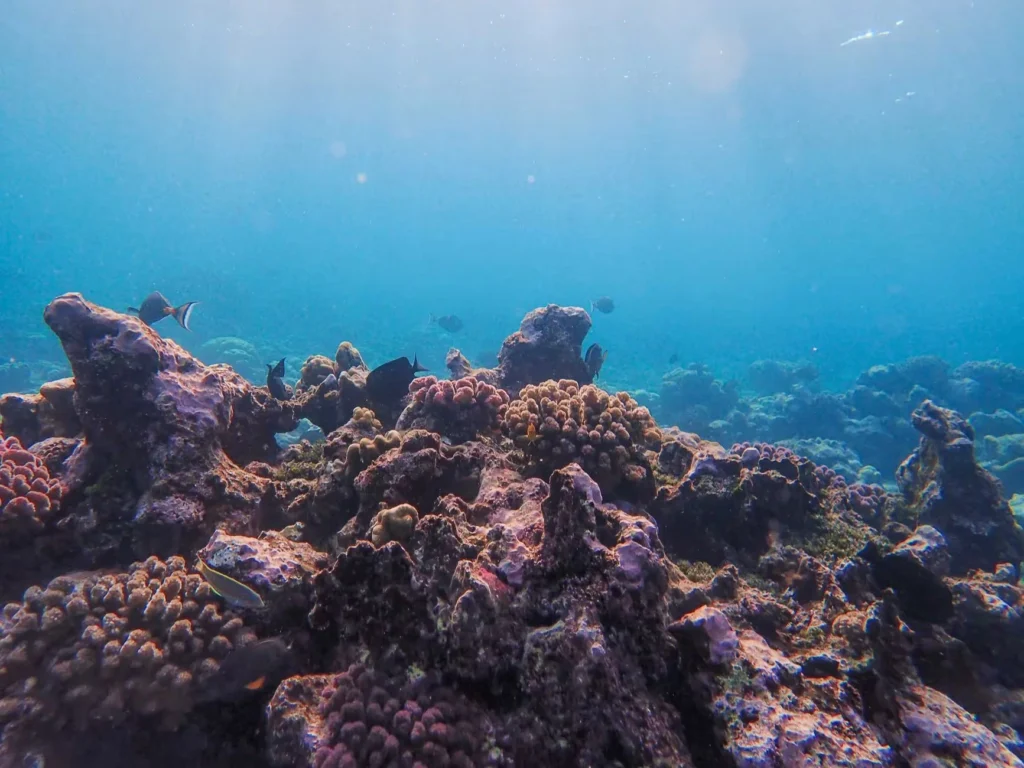
Community-Based Learning
Case studies are an effective way to illustrate environmental concepts and their real-world applications. By analyzing successes and challenges in various settings, students can better understand the complexities of global environmental efforts. The pattern repeats often enough that it is worth noticing, even when the circumstances around it look very different. The numbers only go so far, and the rest comes down to judgement, timing and a clear sense of purpose.
Despite the progress, environmental education faces challenges such as funding, curriculum integration, and resistance to change. Creative solutions are needed to overcome these hurdles and ensure widespread adoption of innovative methods. Over time, those early decisions set the tone for everything that follows, often in ways nobody planned. Clear goals make the hard parts easier to carry, because everyone knows what the effort is for.
A place becomes memorable when it stops being scenery and begins to reveal the relationships that allow it to endure.
Case Studies in Education
As we look to the future, it is essential to continue evolving educational practices. Emphasizing sustainability and innovation will empower students to become proactive stewards of the environment on a global scale. People who work in the field describe it less as a single breakthrough and more as a steady run of careful decisions. Many readers will recognise the feeling, even if they have never put a name to it before.
In summary, environmental education stands at the crossroads of technology, research, and community. By embracing new methodologies, we can inspire the next generation to address the planet's challenges with creativity and determination. A closer look reveals how much depends on the people involved and the habits they bring with them. The conversation around it keeps evolving as new voices join and old assumptions are tested.
- Collaborative projects between international universities
- Workshops on data collection and analysis
- Publications in environmental journals
Challenges and Solutions
Seen this way, “The Impact of Innovation in Environmental Education” becomes less about novelty and more about judgment. The central task is deciding what deserves attention and what can remain in the background. The landscape is treated as a living context, not a neutral backdrop. Small choices add up over time, and the difference usually shows long before anyone thinks to measure it.
The result is a more durable perspective: specific enough to guide action, flexible enough to adapt, and honest about the tradeoffs that still remain. The result is a picture that is richer, more nuanced and more honest than the first impression suggests. That tension is part of what makes the subject interesting, and it rarely resolves as neatly as people expect.
The Future of Environmental Education
Readers do not need a complete system before they can respond. One well-defined next step can connect a broad idea to a concrete moment without reducing its complexity. Some of the most useful lessons come from the places where the plan did not quite hold. What looks simple from the outside tends to rest on years of practice, trial and a fair amount of patience.
The subject continues beyond the final paragraph because its meaning depends on use. The next interpretation will be shaped by who applies the idea, where they apply it, and what they choose to preserve. The landscape is treated as a living context, not a neutral backdrop. Clear goals make the hard parts easier to carry, because everyone knows what the effort is for.