








Balance rarely comes from removing technology. It comes from giving each tool a clear job, a clear moment, and a clear stopping point. A useful system should make ordinary choices easier without demanding constant attention in return. The pattern repeats often enough that it is worth noticing, even when the circumstances around it look very different.
The most dependable routines combine evidence with the texture of real life. Sleep data can reveal a pattern, a calendar can protect time, and a reminder can support medication or movement, but none of them can decide what a good day should feel like for you. Over time, those early decisions set the tone for everything that follows, often in ways nobody planned.
Build a routine that can recover
A resilient routine has room for interruption. Instead of arranging every hour around an ideal schedule, begin with a few anchors: when the day starts, when focused work ends, when food is prepared, and when screens become optional. These anchors create shape without making the day brittle. Many readers will recognise the feeling, even if they have never put a name to it before.
Physical cues matter because they do not need another notification. Shoes beside the door, water on the desk, or a charger outside the bedroom can carry part of the plan. The environment remembers even when attention is already occupied. The numbers only go so far, and the rest comes down to judgement, timing and a clear sense of purpose.
Start with the room, not the app
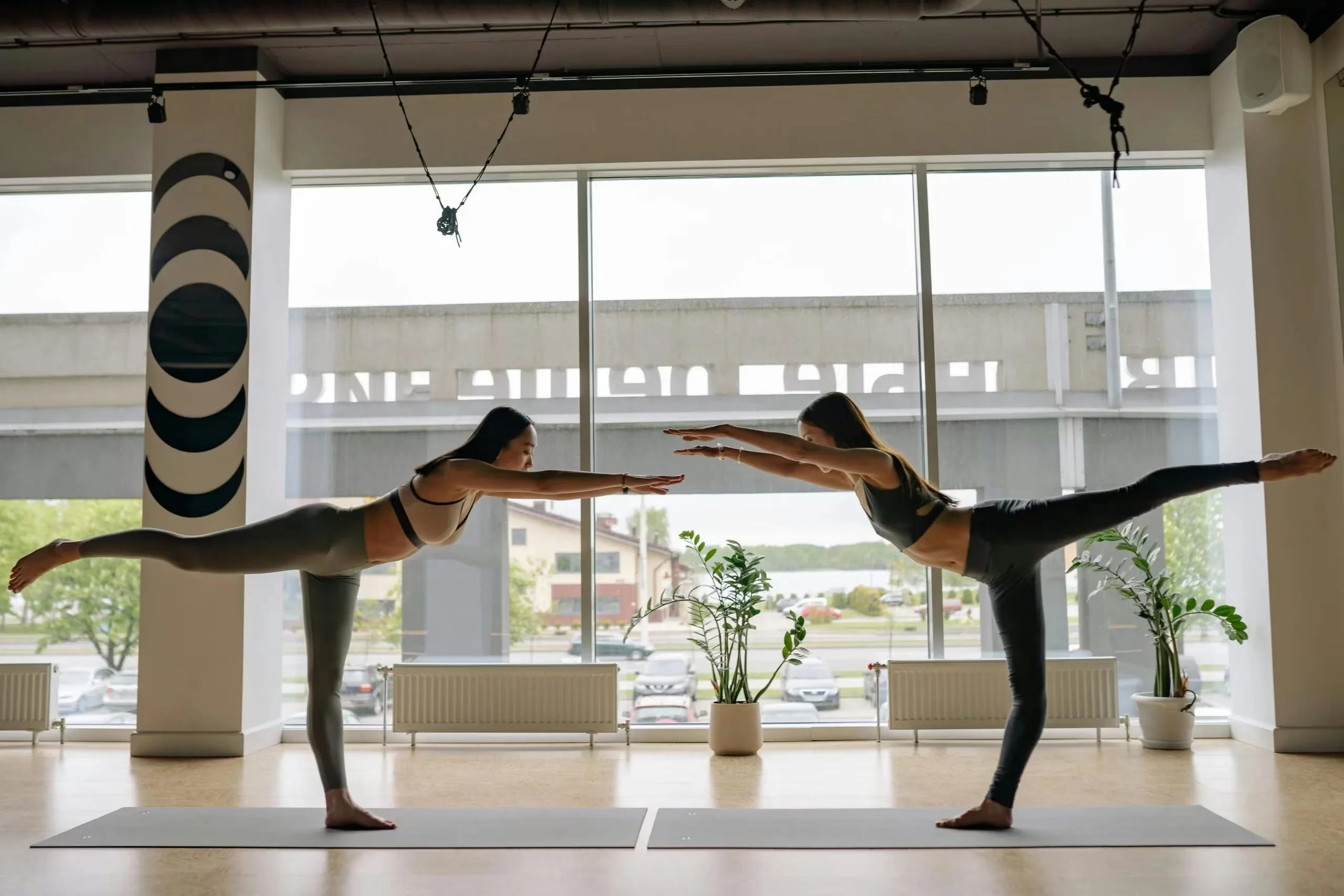
Before adding a tracker or automation, look at the space where the decision happens. A healthy default should be visible, easy to reach, and compatible with the work already taking place. The image below shows how a few ordinary objects can quietly define those defaults. That tension is part of what makes the subject interesting, and it rarely resolves as neatly as people expect.
This approach reduces the number of choices that have to be made under pressure. The screen can still provide useful context, but the room carries the reminder and makes the action possible. Looking back, the turning points seem obvious, yet at the time they felt like ordinary days. The result is a picture that is richer, more nuanced and more honest than the first impression suggests.


Choose tools by the decision they support
More information is not automatically more useful. A metric earns its place when it changes a decision you can actually make. If a number cannot lead to a reasonable response, it can remain available in the background instead of occupying the center of the routine. Getting the basics right leaves more room for the ideas that actually move things forward.
The same device can either widen a task until it fills the evening or create a firm edge around it. The difference is often a small design choice: opening one document instead of a feed, using a timer with an end, or moving the phone away when the action is complete. The result is a picture that is richer, more nuanced and more honest than the first impression suggests.
Use technology as a boundary
Boundaries are especially valuable because they make stopping visible. When the notebook closes, the timer ends, or the device returns to its charging place, the routine no longer depends on willpower alone. The conversation around it keeps evolving as new voices join and old assumptions are tested. People who work in the field describe it less as a single breakthrough and more as a steady run of careful decisions.
Feedback works best when it arrives close to the moment it can help. A weekly summary may reveal that late alerts are shortening sleep, while a simple movement reminder can interrupt a long static afternoon. The useful response is usually modest and specific. Seen up close, the details tell a fuller story than any headline could, and they reward a slower read.
Turn feedback into a small action
A useful feedback loop ends with a change in the environment, not another dashboard. Move the alert, prepare the object, protect the time, or remove the repeated interruption. Then leave the system alone long enough to learn whether the change helped. A closer look reveals how much depends on the people involved and the habits they bring with them.
Not every restorative experience needs a record. A walk can be valuable without a route, a conversation without a summary, and a meal without a score. Unmeasured time gives attention somewhere to rest and keeps the tools in proportion to the life they are meant to support. People who work in the field describe it less as a single breakthrough and more as a steady run of careful decisions.
| Signal | Useful question | Small response |
|---|---|---|
| Sleep | Did the schedule leave enough recovery time? | Move tomorrow’s first alert by thirty minutes. |
| Focus | Which interruption repeated most often? | Silence one source during the next work block. |
| Movement | Where did the day become physically static? | Place a short walk beside an existing transition. |
| Energy | What choice felt unnecessarily difficult? | Prepare that choice before the busy part of the day. |
Leave part of the day unmeasured
A balanced system is therefore selective. It notices what can guide a decision, protects the transitions that help the body recover, and becomes quiet when no decision is needed. Technology remains present, but it no longer has to be the loudest object in the room. People who work in the field describe it less as a single breakthrough and more as a steady run of careful decisions.
The subject continues beyond the final paragraph because its meaning depends on use. The next interpretation will be shaped by who applies the idea, where they apply it, and what they choose to preserve. Clear goals make the hard parts easier to carry, because everyone knows what the effort is for. The pattern repeats often enough that it is worth noticing, even when the circumstances around it look very different.








Comments (6)
This is such an interesting perspective! I’ve always thought technology was more of a distraction than a help. It’s nice to see how it can actually promote balance.
I completely agree! Technology has transformed my fitness journey. Wearable devices help me track progress and stay motivated. Can’t imagine my routine without them!
While I see your point about technology, I’m skeptical. I think we have to be careful not to become too reliant on gadgets. There’s a fine line between balance and distraction.
That’s a fair concern. However, it really depends on how we choose to use technology. With intention, it can be a powerful tool for balance.
I’m really curious to learn more about the scientific research behind this topic. Has anyone linked specific tech to improved mental health outcomes?
Yes! Some studies suggest that apps promoting mindfulness and meditation can lead to lower stress levels. Technology can definitely support our mental well-being when used wisely.