


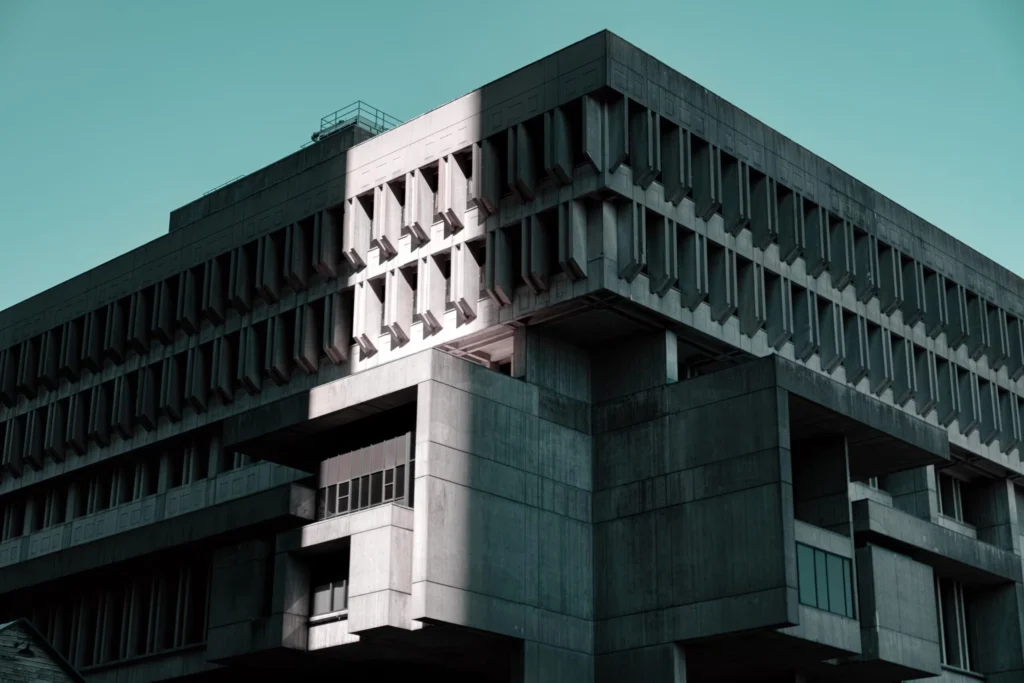
It started, as these things tend to, with a small irritation that refused to leave. Why Brutalist Posters Are Having a Second Life is not the sort of subject that announces itself; it sidles up, waits for a quiet afternoon, and then makes a case you cannot quite shake.
A Closer Look
The first thing you learn is that the obvious explanation is almost never the whole one. What looks like a single decision is usually a stack of older ones, each made by someone who had good reasons at the time and no idea you would be standing here, decades later, trying to read their intentions.
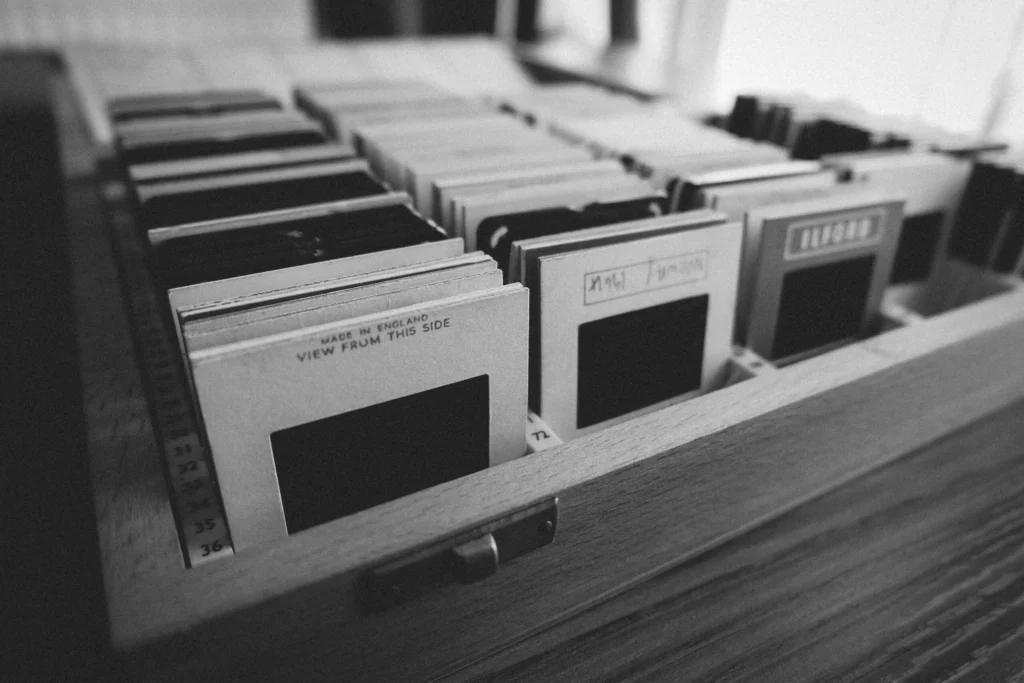
There is a particular kind of attention that cannot be rushed or automated. It is closer to listening than to looking, and it tends to surface details that the eye, left to its own efficient habits, would happily skip.
The details are not the details. They make the design.
Charles Eames
Reading Between the Lines
Craft hides in the parts nobody is supposed to see. A seam pressed flat, a transition softened, a corner that could have been left sharp but was rounded by hand instead. None of it survives a quick glance, which is precisely why it matters.
| Approach | What it costs | What it gives back |
|---|---|---|
| The fast way | Almost nothing up front | A result you replace within a year |
| The careful way | Time, patience, second-guessing | Something that ages well |
| The honest way | A willingness to be wrong | Trust that compounds quietly |
A note on method
I have started to think of this as a form of literacy — a way of reading the made world that most of us were never taught, but that anyone can pick up if they are willing to be a little slower and a little more curious.
The fastest version is rarely the one we come back to.
Field note
None of this is nostalgia. The point is not that the old ways were better, but that they were more legible — you could see the thinking, follow the hand, understand the trade. That legibility is worth protecting.