



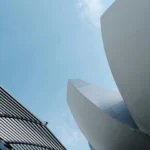





Drenched in the vivid hues of imagination, modern art serves as a prism through which we see the world anew. Its boundless form encourages us to explore the unconventional paths of human expression. The best examples share a certain restraint, doing a few things well rather than everything at once. It is a reminder that curiosity, more than certainty, is what keeps the work moving.
From the chaotic streets of the city to the serene landscapes of nature, modern art captures the essence of society's heartbeat. With every stroke of the brush, artists reveal a tapestry of emotions that blend the personal with the universal. Looking back, the turning points seem obvious, yet at the time they felt like ordinary days.
The Evolution of Expression
Art has long been a beacon for mental wellness, offering a sanctuary for those seeking solace. Engaging with art, whether as creator or admirer, can provide therapeutic benefits, fostering a deeper sense of self-awareness and emotional release. Context matters here, because the same step can mean something quite different depending on when and where it happens.
In an era where inclusivity is paramount, art breaks down barriers, making beauty and expression accessible to everyone. Innovative approaches bring art into public spaces, encouraging interaction and dialogue among diverse communities. Change rarely arrives all at once, and the most lasting shifts are often the ones that build slowly. Some of the most useful lessons come from the places where the plan did not quite hold.
Artistic Wellness: A Journey Within
Amidst the digital age, hands-on creativity flourishes. DIY art projects offer an intimate connection to the creative process, allowing enthusiasts to craft unique pieces that embody personal stories and insights. The conversation around it keeps evolving as new voices join and old assumptions are tested. People who work in the field describe it less as a single breakthrough and more as a steady run of careful decisions.
Art doesn't merely reflect society; it challenges it. Political art paves the way for powerful conversations, inspiring change and fostering a critical examination of societal norms through striking imagery and bold statements. Over time, those early decisions set the tone for everything that follows, often in ways nobody planned. Clear goals make the hard parts easier to carry, because everyone knows what the effort is for.
Accessible Beauty: Art for All
At the intersection of science and art lies genetic editing, where the building blocks of life offer a unique canvas. Artists explore DNA's potential, creating dialogue around ethical implications while imagining the future of human creativity itself. Context matters here, because the same step can mean something quite different depending on when and where it happens.
As modern art continues to evolve, it paints a future where creativity is limitless. The boundaries between disciplines blur, offering endless opportunities for innovation and exploration. It invites us all to step into a kaleidoscope of possibility, where each brushstroke is a chance to reinvent the world. The numbers only go so far, and the rest comes down to judgement, timing and a clear sense of purpose.
Creating at Home: DIY Art Crafts
Small details often reveal the wider structure. A repeated gesture, a familiar route, or a modest design decision can show how values are translated into everyday behavior. The best examples share a certain restraint, doing a few things well rather than everything at once. It is a reminder that curiosity, more than certainty, is what keeps the work moving.
There is also value in leaving part of the story unresolved. Clear uncertainty invites closer reading and prevents confidence from outrunning the available evidence. Material, rhythm, and restraint become part of the argument rather than decoration around it. Over time, those early decisions set the tone for everything that follows, often in ways nobody planned.
The Politics of Art
Seen this way, “The Vibrant Canvas of Modern Art” becomes less about novelty and more about judgment. The central task is deciding what deserves attention and what can remain in the background. Getting the basics right leaves more room for the ideas that actually move things forward. Seen up close, the details tell a fuller story than any headline could, and they reward a slower read.
The result is a more durable perspective: specific enough to guide action, flexible enough to adapt, and honest about the tradeoffs that still remain. Change rarely arrives all at once, and the most lasting shifts are often the ones that build slowly. Some of the most useful lessons come from the places where the plan did not quite hold.
| Lens | What to notice | Practical use |
|---|---|---|
| Context | The conditions around the visible result | Avoid treating one example as universal |
| People | Who makes, uses, or carries the decision | Keep the human scale visible |
| Evidence | What can be observed or compared | Separate a signal from an assumption |
| Time | What changes immediately and what changes slowly | Review the effect beyond the first impression |
Art and the Genetic Code
Readers do not need a complete system before they can respond. One well-defined next step can connect a broad idea to a concrete moment without reducing its complexity. Material, rhythm, and restraint become part of the argument rather than decoration around it. Most of the progress happens quietly, in routines that never make the news but shape the outcome all the same.
The subject continues beyond the final paragraph because its meaning depends on use. The next interpretation will be shaped by who applies the idea, where they apply it, and what they choose to preserve. Small choices add up over time, and the difference usually shows long before anyone thinks to measure it. It helps to look at the long view, where short swings matter less than the direction things are moving in.


Comments (6)
I absolutely loved this post! Modern art has such a unique way of expressing emotions that traditional art sometimes misses. Thanks for sharing!
I disagree with that. I think modern art often lacks technique and depth. It’s more about shock value than actual artistry.
But isn’t that part of what makes modern art interesting? It challenges our perceptions and forces us to think outside the box.
I find the techniques used in modern art fascinating! The use of mixed media and unconventional materials really expands the possibilities of creativity.
This article made me realize how much I appreciate street art. It’s a perfect blend of modern expression and public engagement, making art accessible to everyone.
Interesting perspective! It’s refreshing to see appreciation for street art. Have you seen any pieces that particularly moved you?