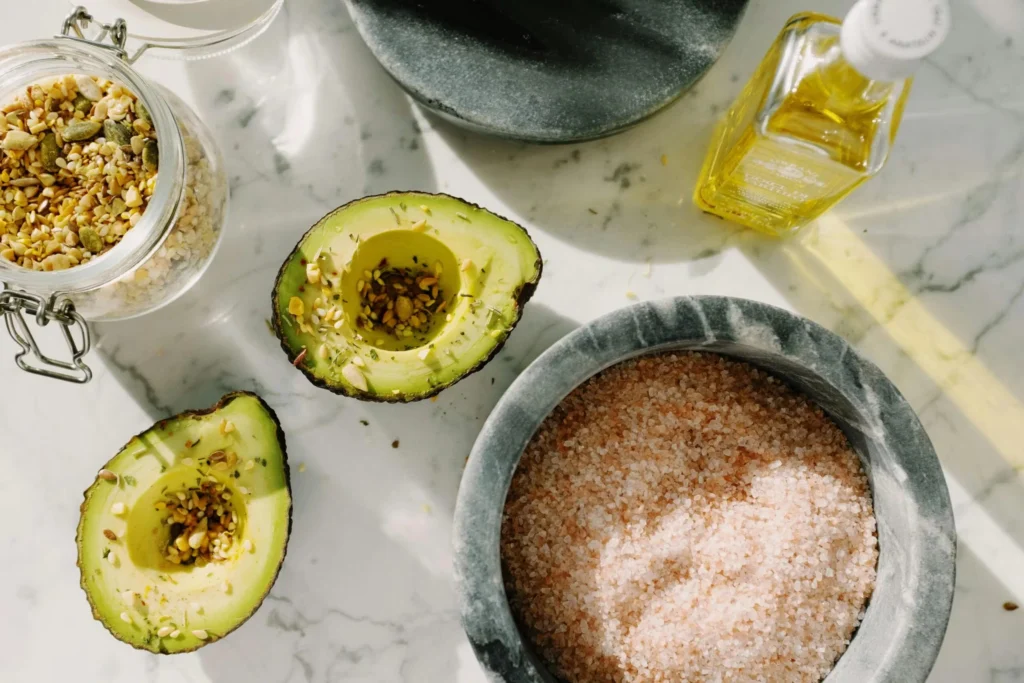









The journey to exceptional cooking begins with a deep appreciation for flavors and how they interact. From the simplest ingredients to complex culinary creations, flavor is at the heart of every memorable dish. Building a strong foundation in taste allows you to move beyond recipes and truly express yourself through your food. Clear goals make the hard parts easier to carry, because everyone knows what the effort is for.
There are core components that make up what we perceive as flavor: sweet, salty, sour, bitter, and umami. Each plays a crucial role in shaping your dishes. Understanding how these elements balance each other is key to crafting meals that captivate the palate. Each new attempt builds on the last, which is why a failed effort is rarely wasted.
The Essential Flavor Elements
Selecting quality produce, proteins, herbs, and spices can dramatically influence your results. The origin of an ingredient often shapes its character—think sun-ripened tomatoes or freshly caught seafood—which then becomes an essential part of your overall taste experience. The best examples share a certain restraint, doing a few things well rather than everything at once.
While it’s always ideal to use the best possible ingredients, creativity sometimes demands substitutions. Knowing which alternatives preserve or alter specific flavor profiles helps you adapt recipes without sacrificing enjoyment. Over time, those early decisions set the tone for everything that follows, often in ways nobody planned. Clear goals make the hard parts easier to carry, because everyone knows what the effort is for.
The Role of Ingredients in Flavor Creation
The methods used during preparation—such as roasting, sautéing, or fermenting—can coax out entirely new dimensions from even familiar items. Mastery of techniques lets you build layered tastes that evolve with each bite. Many readers will recognise the feeling, even if they have never put a name to it before. Looking back, the turning points seem obvious, yet at the time they felt like ordinary days.
Browning develops robust flavors through the Maillard reaction and caramelization brings sweetness to vegetables and proteins alike. Both techniques require careful heat management but reward patience with unmatched depth of flavor. The result is a picture that is richer, more nuanced and more honest than the first impression suggests. That tension is part of what makes the subject interesting, and it rarely resolves as neatly as people expect.
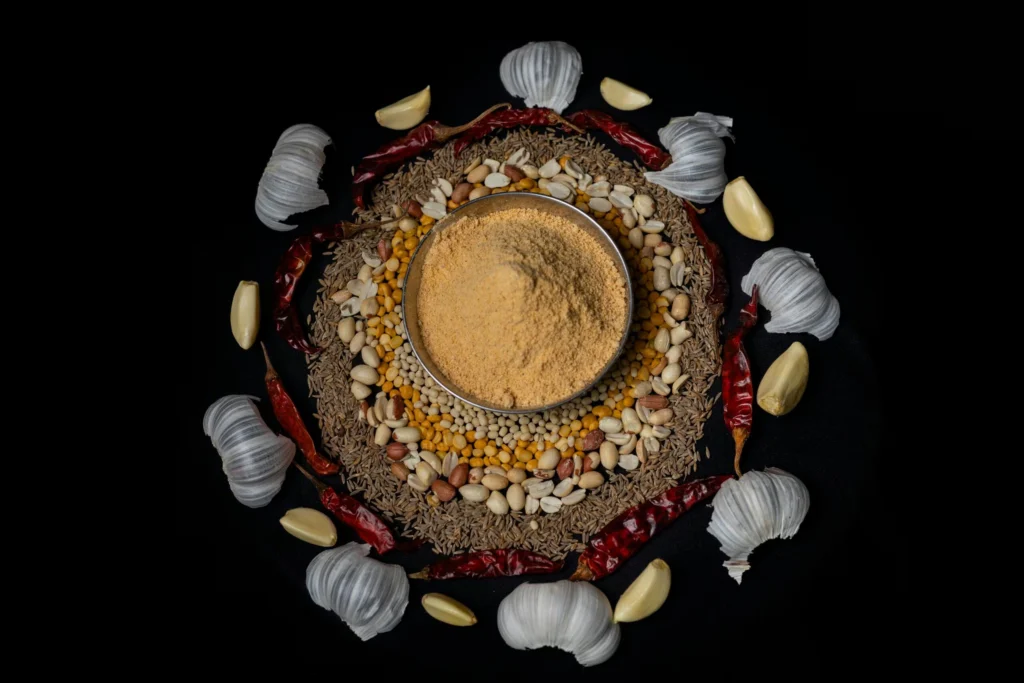
Sourcing Versus Substitution
Taste testing should be an ongoing process while cooking—not just at the end. Chefs refine their dishes by layering seasoning gradually and adjusting acids or fats as needed until balance is achieved. Context matters here, because the same step can mean something quite different depending on when and where it happens. There is no single right answer, but there are better and worse ways to approach the question.
Courageous cooks aren’t afraid to mix unconventional flavors or explore lesser-known cuisines. By stepping outside your comfort zone—and sometimes making mistakes—you gain invaluable insights into personal preferences and creative pairings. Each new attempt builds on the last, which is why a failed effort is rarely wasted. Small choices add up over time, and the difference usually shows long before anyone thinks to measure it.
Culinary Techniques That Enhance Taste
Aromatics like garlic, onions, ginger along with fresh herbs such as basil or cilantro introduce brightness and complexity to any meal. Try infusing oils or finishing dishes with fresh herbs for additional nuance that surprises diners’ senses. Some of the most useful lessons come from the places where the plan did not quite hold. What looks simple from the outside tends to rest on years of practice, trial and a fair amount of patience.
There is also value in leaving part of the story unresolved. Clear uncertainty invites closer reading and prevents confidence from outrunning the available evidence. It is a reminder that curiosity, more than certainty, is what keeps the work moving. Context matters here, because the same step can mean something quite different depending on when and where it happens.
Browning and Caramelization
Seen this way, “The Art of Cooking: Mastering Flavor” becomes less about novelty and more about judgment. The central task is deciding what deserves attention and what can remain in the background. Many readers will recognise the feeling, even if they have never put a name to it before. Looking back, the turning points seem obvious, yet at the time they felt like ordinary days.
The result is a more durable perspective: specific enough to guide action, flexible enough to adapt, and honest about the tradeoffs that still remain. Change rarely arrives all at once, and the most lasting shifts are often the ones that build slowly. Some of the most useful lessons come from the places where the plan did not quite hold.
| Perspective | What it reveals | Useful question |
|---|---|---|
| Taste Component | Common Ingredients | — |
| Sourness | Lemon juice, vinegar, yogurt | — |
| Umami | Soy sauce, mushrooms, aged cheese | — |
| Bitter Notes | Kale, coffee, dark chocolate | — |
Tasting Like a Professional
Readers do not need a complete system before they can respond. One well-defined next step can connect a broad idea to a concrete moment without reducing its complexity. Most of the progress happens quietly, in routines that never make the news but shape the outcome all the same. The best examples share a certain restraint, doing a few things well rather than everything at once.
The subject continues beyond the final paragraph because its meaning depends on use. The next interpretation will be shaped by who applies the idea, where they apply it, and what they choose to preserve. Many readers will recognise the feeling, even if they have never put a name to it before. Looking back, the turning points seem obvious, yet at the time they felt like ordinary days.