









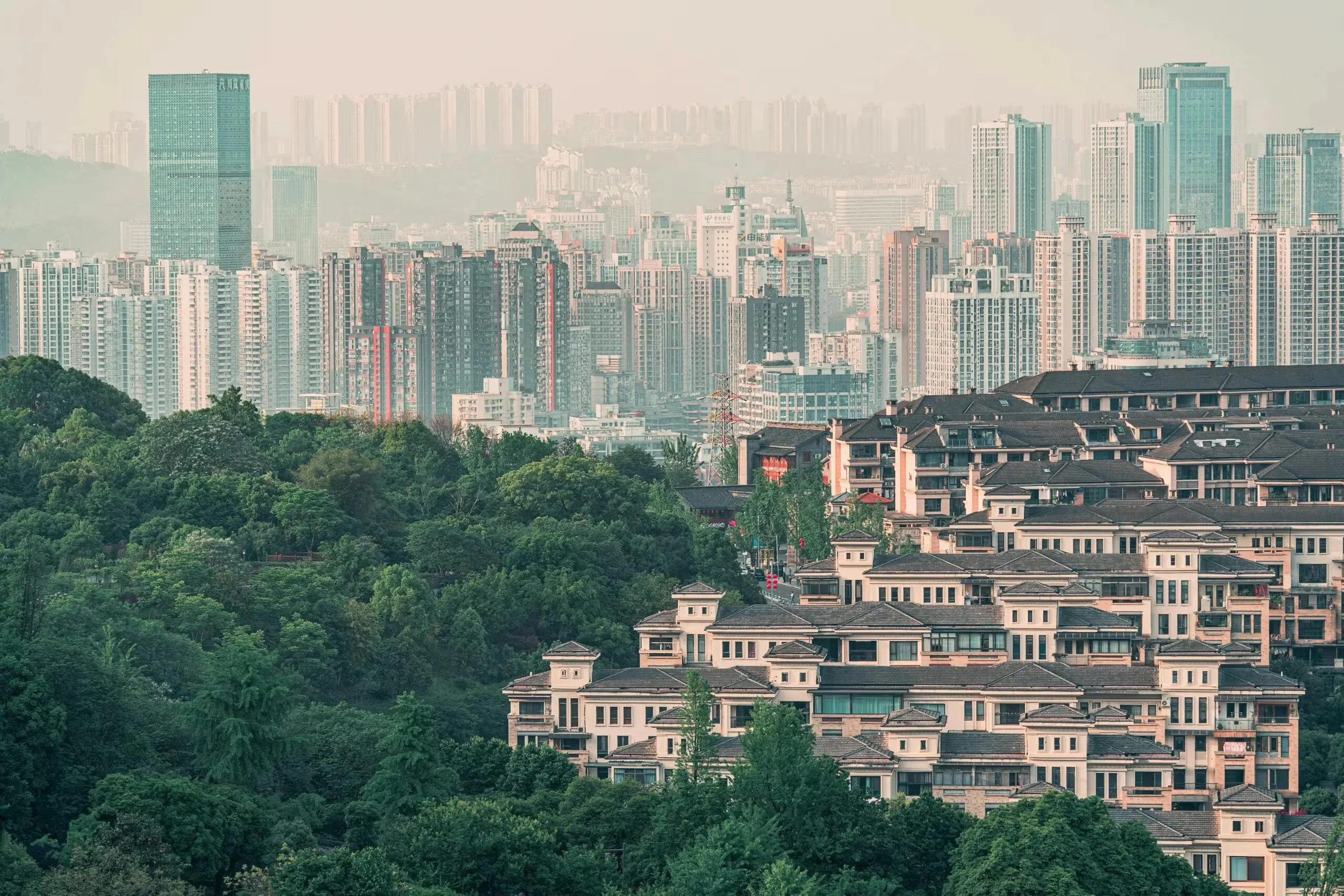
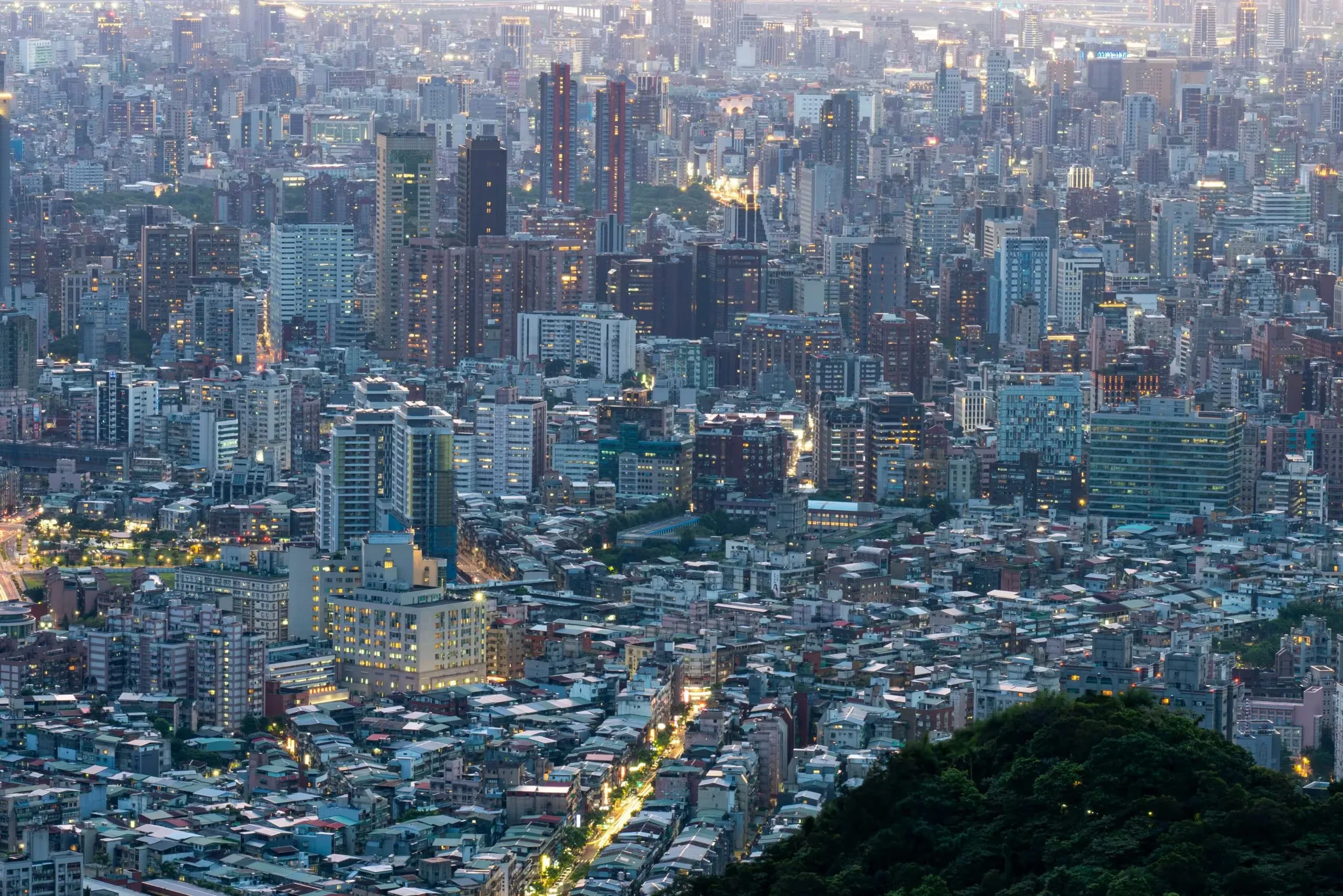
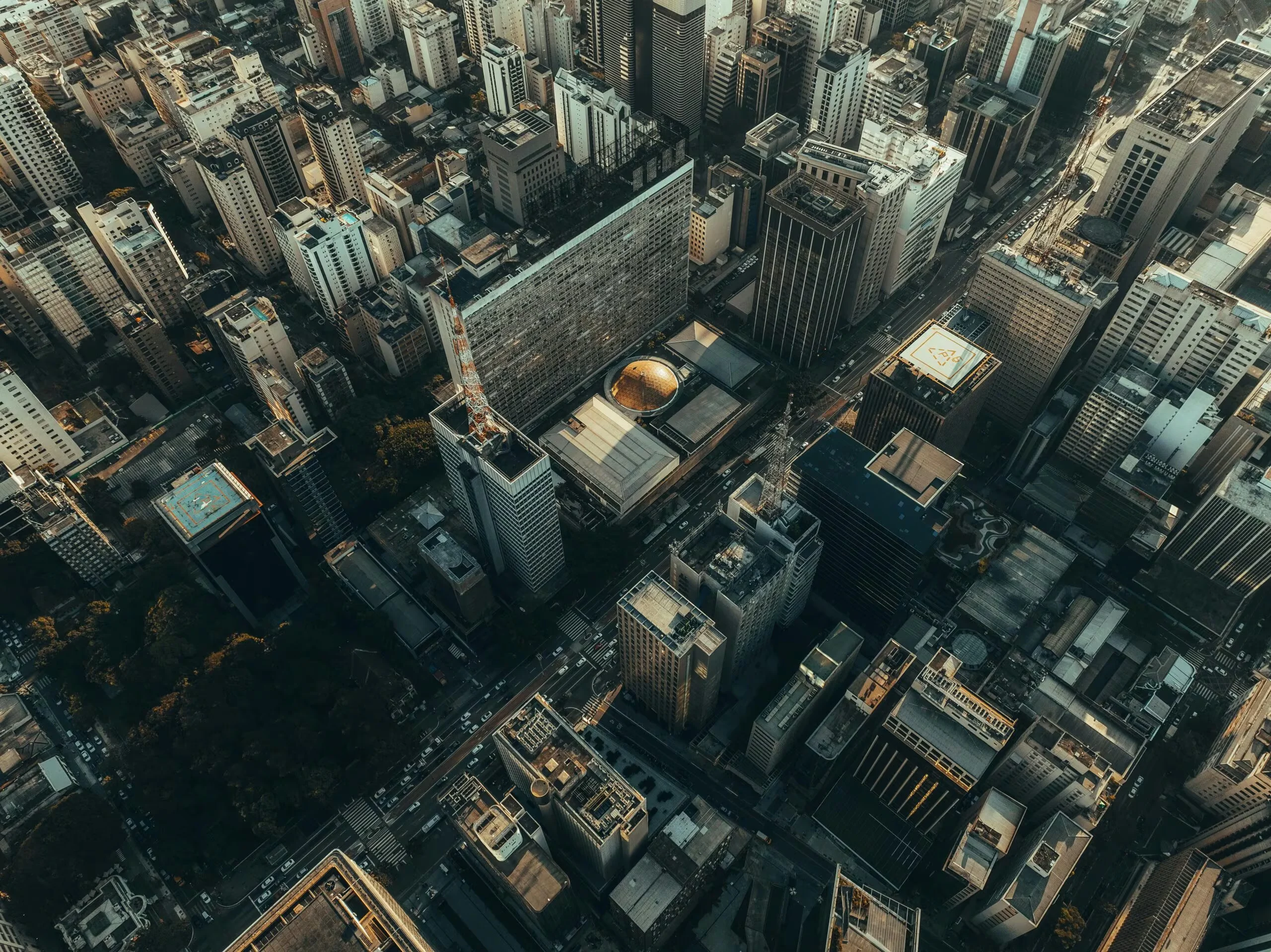
As cities expand, the relationship between urbanization and ecosystem balance becomes increasingly significant. Understanding how these elements interconnect can help maintain harmony in our environment while supporting cultural development. Some of the most useful lessons come from the places where the plan did not quite hold. What looks simple from the outside tends to rest on years of practice, trial and a fair amount of patience.
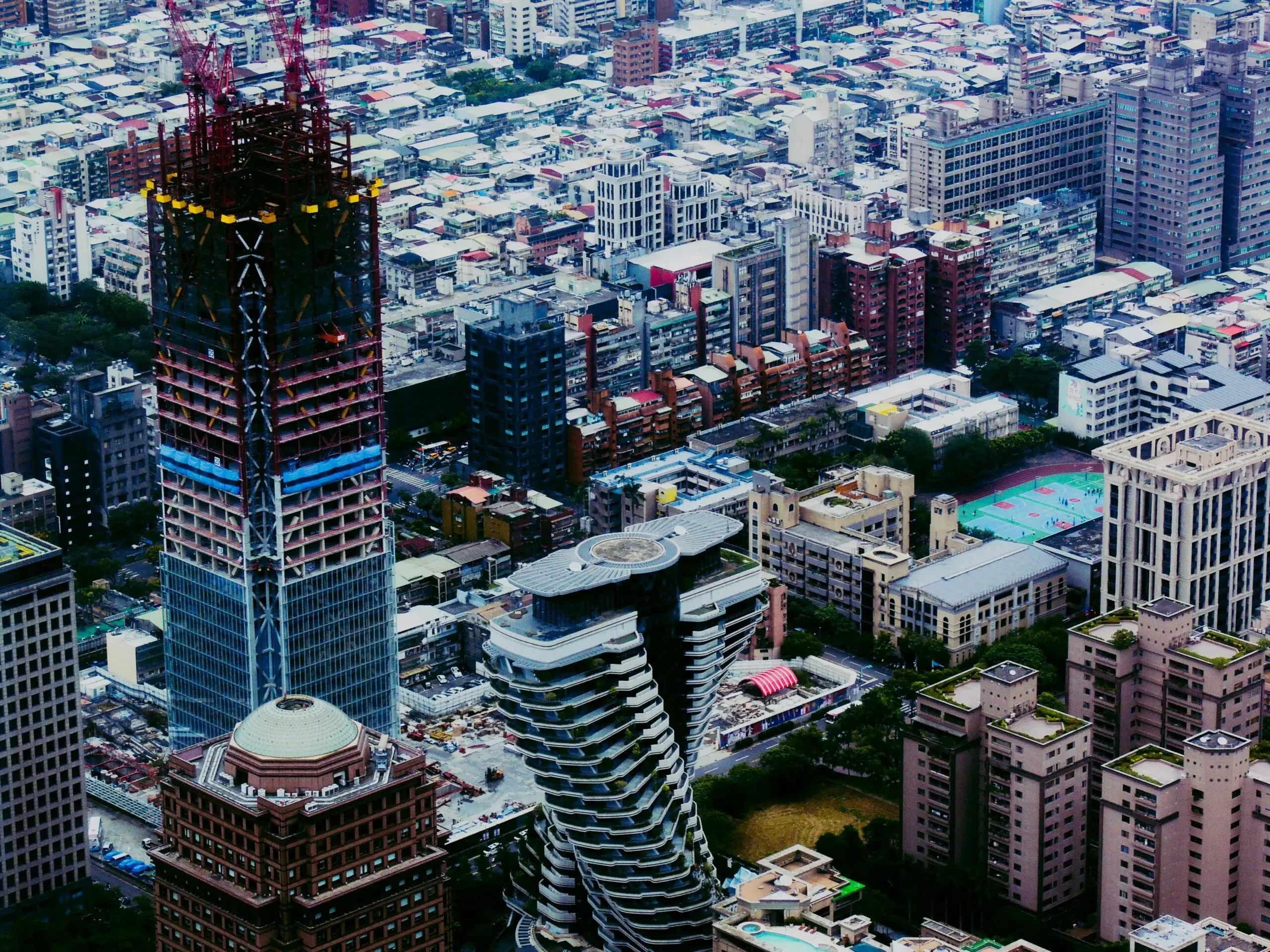
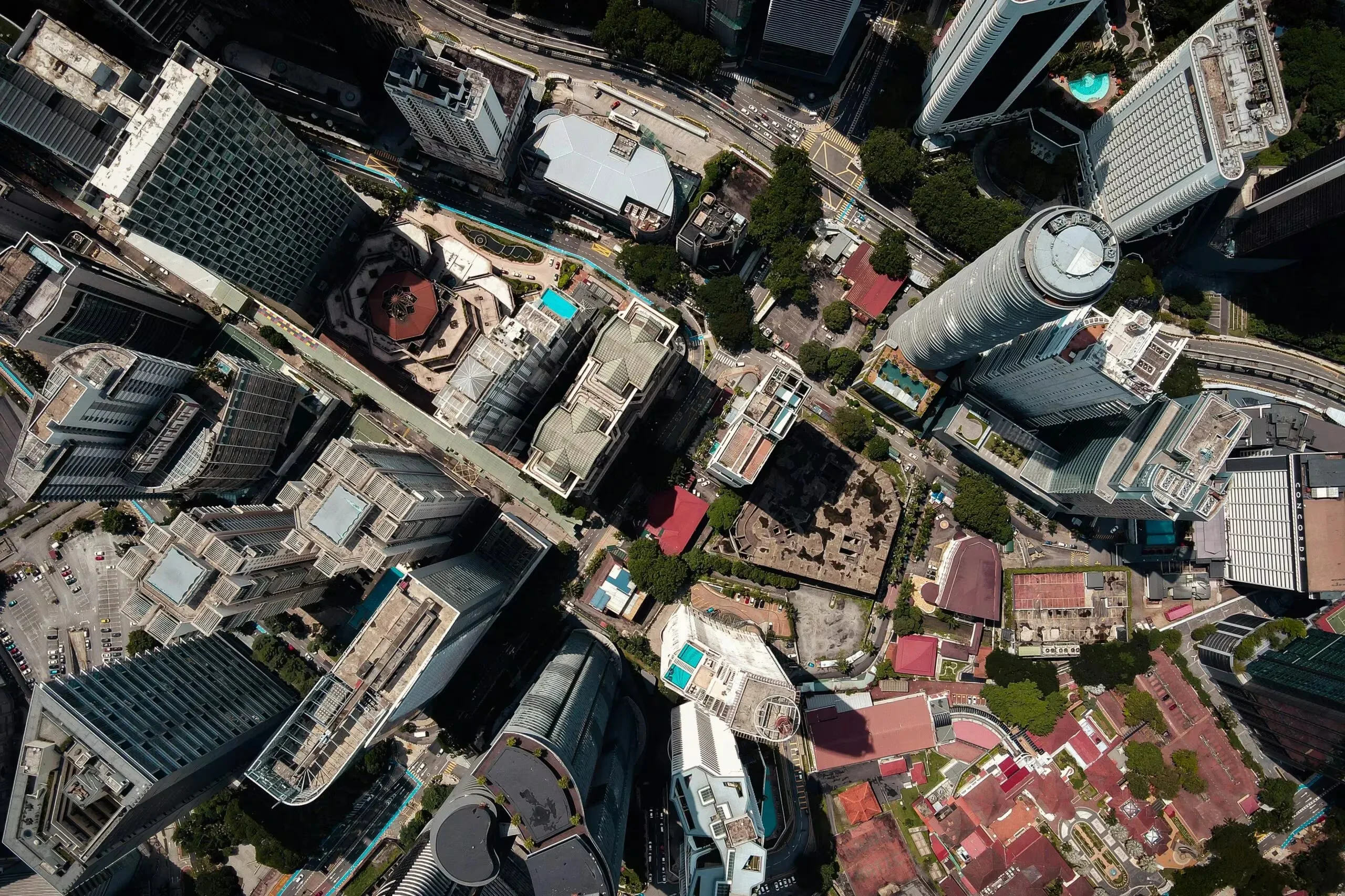
Urbanization, characterized by the growth of cities, presents numerous challenges. However, it also offers opportunities for innovative solutions and designs that enhance living conditions while preserving natural habitats. Looking back, the turning points seem obvious, yet at the time they felt like ordinary days. The result is a picture that is richer, more nuanced and more honest than the first impression suggests.
Urban Growth: Challenges and Opportunities
As urban areas grow, cultural identities are both challenged and enriched. The blending of traditions within diverse urban landscapes fosters a unique cultural dynamic that can either strengthen or dilute existing cultural practices. Clear goals make the hard parts easier to carry, because everyone knows what the effort is for. The pattern repeats often enough that it is worth noticing, even when the circumstances around it look very different.
Balancing urban development with ecosystem preservation is crucial. Strategies to mitigate damage include creating green spaces, protecting biodiversity, and implementing sustainable urban planning techniques. Most of the progress happens quietly, in routines that never make the news but shape the outcome all the same. The best examples share a certain restraint, doing a few things well rather than everything at once.
Cultural Impacts of Urbanization
Effective leadership is vital in promoting sustainable urbanization. Leaders must consider long-term impacts on both the environment and local communities to ensure responsible development. The pattern repeats often enough that it is worth noticing, even when the circumstances around it look very different. The numbers only go so far, and the rest comes down to judgement, timing and a clear sense of purpose.
Incorporating classic style architecture into modern urban planning can uphold cultural heritage while addressing modern environmental concerns. This approach can transform spaces into areas that honor the past while embracing the future. What looks simple from the outside tends to rest on years of practice, trial and a fair amount of patience. A closer look reveals how much depends on the people involved and the habits they bring with them.
Maintaining Ecosystem Balance
The promotion of crafts for kids and public art projects fosters community engagement and cultural expression in urban areas. These initiatives can create a sense of belonging and cultural continuity amid rapid urban growth. People who work in the field describe it less as a single breakthrough and more as a steady run of careful decisions.
Observation is most useful when it leads to a better question. Rather than searching for a single verdict, readers can compare the evidence, the incentives, and the people affected by the choice. The landscape is treated as a living context, not a neutral backdrop. A closer look reveals how much depends on the people involved and the habits they bring with them.
A place becomes memorable when it stops being scenery and begins to reveal the relationships that allow it to endure.
Leadership in Urban Development
Small details often reveal the wider structure. A repeated gesture, a familiar route, or a modest design decision can show how values are translated into everyday behavior. The pattern repeats often enough that it is worth noticing, even when the circumstances around it look very different. The numbers only go so far, and the rest comes down to judgement, timing and a clear sense of purpose.
There is also value in leaving part of the story unresolved. Clear uncertainty invites closer reading and prevents confidence from outrunning the available evidence. What looks simple from the outside tends to rest on years of practice, trial and a fair amount of patience. A closer look reveals how much depends on the people involved and the habits they bring with them.
- Green roofs and vertical gardens
- Urban wildlife habitats
- Sustainable water management practices
The Role of Classic Style Architecture
Seen this way, “The Dynamics of Urbanization and Ecosystem Balance” becomes less about novelty and more about judgment. The central task is deciding what deserves attention and what can remain in the background. The landscape is treated as a living context, not a neutral backdrop. Seen up close, the details tell a fuller story than any headline could, and they reward a slower read.
The result is a more durable perspective: specific enough to guide action, flexible enough to adapt, and honest about the tradeoffs that still remain. Some of the most useful lessons come from the places where the plan did not quite hold. What looks simple from the outside tends to rest on years of practice, trial and a fair amount of patience.
Art and Crafts as Cultural Catalysts
Readers do not need a complete system before they can respond. One well-defined next step can connect a broad idea to a concrete moment without reducing its complexity. Most of the progress happens quietly, in routines that never make the news but shape the outcome all the same. The best examples share a certain restraint, doing a few things well rather than everything at once.
The subject continues beyond the final paragraph because its meaning depends on use. The next interpretation will be shaped by who applies the idea, where they apply it, and what they choose to preserve. The landscape is treated as a living context, not a neutral backdrop. Over time, those early decisions set the tone for everything that follows, often in ways nobody planned.








Comments (6)
This post provides a fascinating overview of how urbanization impacts ecosystems. It’s crucial to recognize the balance we need to achieve as cities grow.
I completely agree! It’s alarming to see how much green space is lost as urban areas expand. We need more sustainable development initiatives.
While the article highlights some valid points, I feel it’s overly simplistic. Urbanization can also lead to improved infrastructure that benefits ecosystems, such as better waste management.
That’s a fair point, but can improved infrastructure really offset the loss of biodiversity? I’m not convinced.
What I find interesting is how urban areas can foster new types of ecosystems, like urban forests. It’s not all doom and gloom!
True! Urban environments can adapt and coexist with nature, but it requires intentional planning and public engagement.